
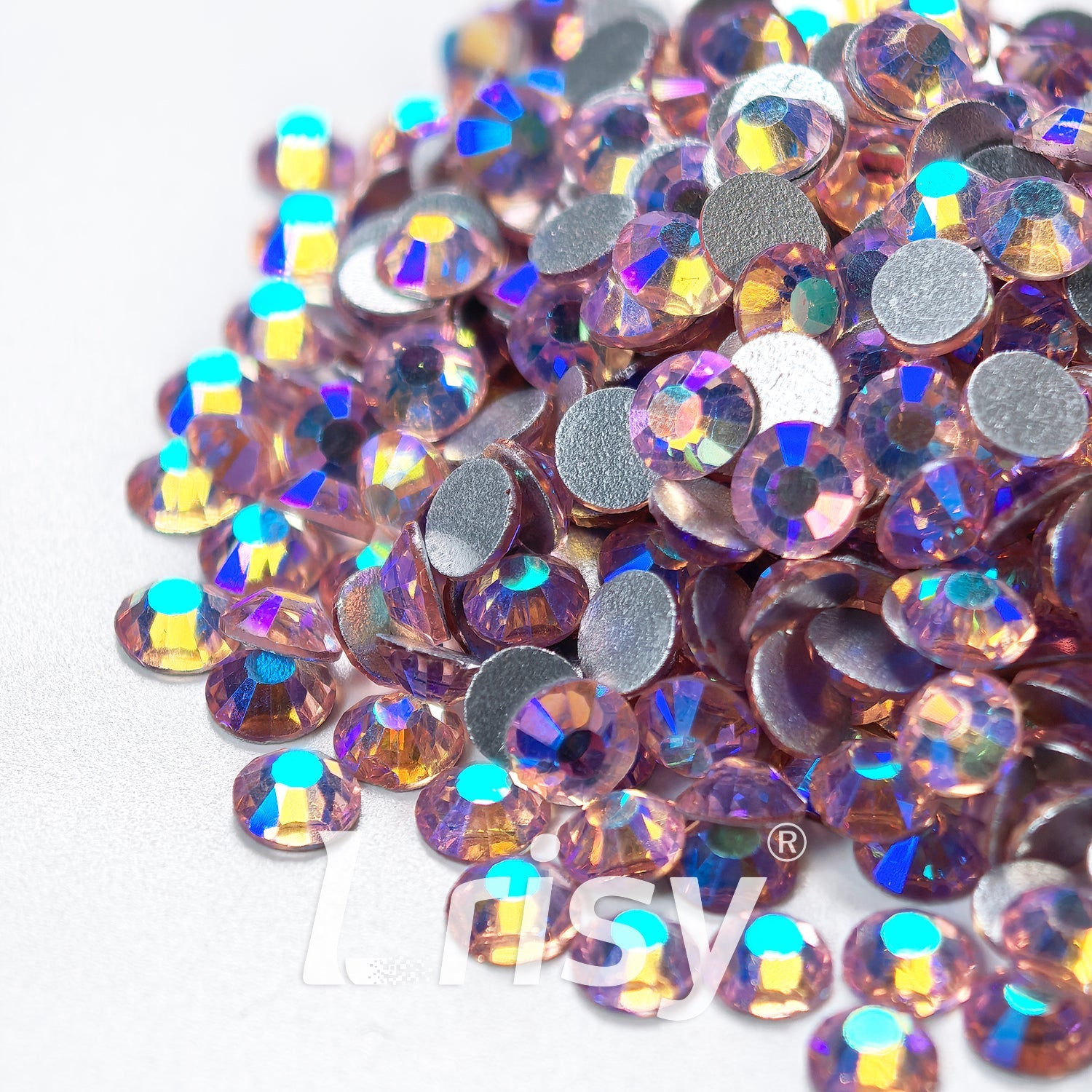
Quick Answer: The best glue for rhinestones depends on your base material. For fabric, E6000 and Gem-Tac dominate. For metal and glass, epoxy wins. For silicone and spandex, only silicone adhesive or specialized fabric glue survives stretching. For fast production, hotfix glue backing with a heat press is unbeatable. Below is a complete rhinestone adhesive guide matching every material to the right glue, plus prep steps most people skip.
Introduction: The Night the Stones Fell Off
Sarah spent forty hours hand-gluing flatback crystals onto her daughter's competition leotard. She used generic super glue because it was fast. Halfway through the routine, under stage lights, the stones popped off one by one. The judges noticed. So did the audience.
If you have ever had rhinestones detach at the worst moment, you are not alone. Picking the wrong adhesive is the single most common reason rhinestones fail. This rhinestone adhesive guide exists to stop that from happening again.
In the next sections, you will learn exactly which adhesive to pair with cotton, polyester, spandex, vinyl, leather, metal, wood, glass, and silicone. You will see cure times, durability ratings, and a full compatibility matrix. You will also discover the surface prep tricks pros use and the washing mistakes that destroy bonds. By the end, you will know the best glue for rhinestones for every project in you queue.
Key Takeaways
- Match the glue to the material. E6000 rhinestones work on porous surfaces, but it will crack on spandex and silicone.
- Never skip surface prep. Oils, fabric softeners, and dust reduce bond strength by up to 60 percent.
- Cure time matters. Some glues feel dry in minutes but need 72 hours to reach full strength.
- Hotfix glue backing is faster but less versatile. It only works on fabrics that tolerate high heat.
- Wash gently. Even the strongest bond will fail if you blast it with hot water and aggressive detergents.
The #1 Mistake That Makes Rhinestones Fall Off
Most people blame the glue when a rhinestone pops off. Usually, the real culprit is three errors: poor surface prep, adhesive mismatch, and impatience during cure time.
Wrong Adhesive for the Material
E6000 is a powerhouse on denim and leather, yet it turns brittle on spandex. Gem Tac crystals stay flexible on dancewear but will not bond to silicone. Super glue sets in seconds, yet it cannot handle vibration or flexing. Every material expands, contracts, and flexes differently. Your adhesive must move with it or it will fracture.
Ignoring Cure Time
A glue that feels dry is not ready for stress. E6000 reaches handling strength in two to ten hours but needs 24 to 72 hours for a full cure. Epoxy may feel solid in five minutes yet requires 24 hours before it can bear load. If you wear, wash, or flex the item too early, the bond forms microscopic cracks that grow into full failures.
Skipping Surface Prep
Skin oils, fabric softeners, and silicone release agents form invisible barriers. Glue does not stick to oil. It sticks to the oil, and the oil sticks to nothing. The result is a rhinestone that falls off with a gentle tug.
Adhesive Compatibility Matrix
Use this table as your quick-reference rhinestone adhesive guide. Ratings are based on real-world tests, manufacturer data sheets, and feedback from professional costume designers.
Cure Time & Durability Notes
- E6000: 24-72 hours full cure. Extremely durable on rigid and semi-rigid surfaces. Remains slightly flexible. Strong solvent odor; use ventilation.
- Gem-Tac: 24 hours full cure. Flexible when dry. Ideal for dancewear and delicate fabrics. Low odor and water-based cleanup.
- Supertite: Minutes to hours depending on variant. Good gap-filling. Popular for quick crafts and foam projects.
- Epoxy: 5-minute to 24-hour variants available. Creates a rigid, permanent bond. Best for jewelry, metal, wood, and glass. Brittle on stretch fabrics.
- Fabric Glue: 24-48 hours full cure. Formulated to remain soft and stretchy. Washable after cure. Best for permanent textile applications.
- Hotfix Glue Backing: Seconds with heat press. Bond depends on fabric heat tolerance. Fastest production method. Less durable on synthetics that melt or distort.
- Super Glue (Cyanoacrylate): Seconds to minutes. Rigid bond. Poor impact resistance. Will not survive flexing or washing on fabric.
- Silicone Adhesive: 24 hours full cure. Remains permanently elastic. The only reliable choice for bonding rhinestones to silicone surfaces.
Deep Dive: Top 5 Rhinestone Adhesives Reviewed
1. E6000 Industrial Strength Adhesive
E6000 is the go-to adhesive for costume designers who need a bond that survives stage lights, quick changes, and travel. It is a self-leveling, polyurethane-based adhesive that remains slightly flexible after curing.
Pros:
- Bonds to nearly any porous or semi-porous surface
- Withstands temperatures from -40 to 180 degrees Fahrenheit
- Paintable and waterproof after full cure
- Excellent for gluing flatback rhinestones to denim and canvas
Cons:
- Strong solvent odor during application
- Not suitable for spandex or silicone
- Can stain delicate fabrics if over-applied
- 24 to 72 hours for full cure
Best For: Denim jackets, leather goods, wood signs, metal jewelry, and cotton costumes.
2. Gem-Tac Permanent Adhesive
Beacon Gem-Tac was formulated specifically for crystals and beads. It dries clear, stays permanently flexible, and is one of the safest choices for delicate fabrics.
Pros:
- Designed specifically for rhinestones and crystals
- Dries clear and remains flexible
- Low odor and easy water cleanup before drying
- Excellent for Gem Tac crystals on dancewear
Cons:
- Longer dry time than super glue
- Not ideal for non-fabric surfaces like bare metal or glass
- Can seep into porous stones if over-applied
Best For: Spandex, Lycra, polyester, tulle, and other stretch or delicate fabrics.
3. Two-Part Epoxy
Epoxy creates a chemical bond that is often stronger than the material itself. Once cured, it is essentially a hardened plastic that locks the rhinestone in place.
Pros:
- Highest sheer strength of any consumer adhesive
- Excellent for metal, glass, wood, and rigid plastics
- Waterproof and solvent resistant
- Long working life of the finished bond
Cons:
- Rigid when cured; cracks under flexing
- Mixing ratios must be accurate
- Messy if you are not experienced
- Long cure times for maximum strength
Best For: Jewelry making, home decor, glassware, and any application where the surface does not flex.
4. Specialized Fabric Glue (Tear Mender, Fabric Fusion)
Dedicated fabric glues are formulated to remain soft and stretchy after drying. They are washable and designed to move with the textile.
Pros:
- Remains flexible and stretchable
- Machine washable after full cure
- No sewing required
- Bonds well to cotton, polyester, and spandex blends
Cons:
- Lower initial tack than E6000
- Some formulas require heat-setting with an iron
- Not suitable for hard surfaces like metal or glass
Best For: T-shirts, dance costumes, athletic wear, and anything that goes through the washing machine.
5. Silicone Adhesive (RTV Silicone)
When you need to glue rhinestones to a silicone surface, nothing else works. Standard adhesives bead up or peel away because silicone repels most other chemistry.
Pros:
- Bonds to silicone, vinyl, and rubber
- Permanently elastic
- Waterproof and temperature resistant
- Excellent for swim caps, phone cases, and silicone molds
Cons:
- Very long cure times
- Not paintable
- Low initial tack; stones may shift during curing
- Overkill for standard fabric projects
Best For: Silicone, soft vinyl, rubber, and other low-surface-energy materials.
Surface Preparation: The Step Most People Skip
Tom, a professional cosplayer, learned this the hard way. He glued rhinestones onto a vinyl bodysuit for a convention. By noon on day one, half the stones were gone. The problem was not the glue; it was the silicone-based release agent left over from manufacturing.
Cleaning Protocol
- Wash fabrics with mild detergent and no fabric softener. Softeners leave a waxy film.
- Wipe hard surfaces with isopropyl alcohol (at least 70 percent). Let it evaporate completely.
- Degrease metals with acetone or a dedicated degreaser. Oils from machining and handling kill adhesion.
- Remove silicone residue from vinyl and rubber with a silicone remover or a light sanding followed by cleaning.
- Allow everything to dry fully. Trapped moisture causes adhesives to foam or fail.
Priming and Testing
For challenging materials like silicone or low-energy plastics, apply a primer designed for your adhesive brand. Always run a peel test on a hidden area before committing to the full design. Press a test stone firmly, let it cure fully, then try to pry it off. If the material tears before the bond breaks, you are ready.
Application Techniques for Maximum Bond
Getting the best glue for rhinestones onto the surface correctly is half the battle.
Dot Size and Placement
Use a toothpick, wax pencil, or precision applicator to place a small dot of adhesive slightly smaller than the stone base. Too much glue creates a mess that seeps around edges. Too little leaves dry spots with no bond. When you press the rhinestone down, the adhesive should spread to the edges without overflowing.
Pressure and Positioning
Press the stone straight down. Do not slide it. Sliding traps air and thins the adhesive layer. Hold firm pressure for 10 to 30 seconds. For production work, a wax-tipped tool helps with placement accuracy.
Cure Time and Temperature
Adhesives cure faster in warm, dry environments. Cold and humidity slow the chemical reaction. If possible, let items cure at room temperature (65 to 75 degrees Fahrenheit) with low humidity. Do not force-dry with a hair dryer unless the manufacturer specifically allows it; heat can cause bubbling or premature skinning that traps solvent vapor underneath.
For Hotfix Applications
Set your heat press or iron to the temperature recommended by the hotfix glue backing manufacturer, usually between 325 and 375 degrees Fahrenheit. Apply firm, even pressure for 10 to 20 seconds. Use a pressing sheet to protect the stones. Let the garment cool completely before flexing or peeling. Need a heat press? See our crafting tools guide.
Washing and Care: Making Your Bond Last
Even the strongest adhesive will fail if you abuse the item in the laundry.
Detergents to Avoid
Enzyme-based detergents, bleach, and fabric softeners attack adhesive bonds over time. Enzymes break down organic compounds, and many adhesives contain organic polymers. Bleach oxidizes and hardens glues, making them brittle. Fabric softeners deposit a waxy layer that reduces friction and can loosen edges.
Washing Best Practices
- Turn garments inside out before washing.
- Use cold water and a gentle cycle.
- Place the item in a mesh laundry bag for extra protection.
- Air dry whenever possible. Dryer heat accelerates adhesive fatigue.
- If you must use a dryer, choose the lowest heat setting.
Re-Gluing Loose Stones
When a stone does come loose, remove all old adhesive residue before re-gluing. A clean surface is essential. Use the same adhesive type if possible, or switch to a stronger one if the original choice was mismatched. Allow the repair to cure for the full recommended time before wearing or washing.
When to Use Hotfix Instead of Glue
Hotfix rhinestones come with a pre-applied layer of dry adhesive on the back. A heat press melts the glue and bonds the stone to the fabric. It is fast, clean, and requires no squeeze bottles.
Speed vs. Durability Tradeoff
Hotfix is unbeatable for speed. A skilled operator can apply hundreds of stones per hour with a heat press or home iron. However, the bond is only as good as the fabric's tolerance for heat. Delicate synthetics like thin spandex or vinyl can melt, pucker, or discolor under a heat press.
When Hotfix Wins
- Large production runs on cotton, polyester, or wool blends
- Designs on bags, hats, and accessories that tolerate heat
- Situations where glue mess is unacceptable
- Items that will not face extreme flexing
When Glue Wins
- Delicate fabrics that cannot tolerate high heat
- Materials like metal, wood, glass, or silicone where hotfix is impossible
- Designs requiring precise stone placement that a press might shift
- Applications where maximum bond strength matters more than speed
Conclusion: Match the Glue, Prep the Surface, Respect the Cure
Finding the best glue for rhinestones is not about one magical product. It is about matching the right chemistry to your material, preparing the surface like a professional, and giving the adhesive time to reach full strength.
Whether you are customizing a denim jacket with E6000, bedazzling a dance costume with Gem-Tac crystals, or adding sparkle to a silicone phone case, the principles remain the same. Clean it. Test it. Let it cure. Care for it gently.
Ready to start your next project? Gather your materials, run a quick adhesion test on a hidden area, and apply your stones with confidence. The right glue, used the right way, means you will never suffer a mid-performance pop-off again.
Frequently Asked Questions
What is the best glue for rhinestones on fabric?
For most fabrics, Gem-Tac and E6000 are the top choices. Gem-Tac is best for stretch fabrics like spandex and Lycra because it remains flexible. E6000 is best for rigid fabrics like denim, canvas, and cotton because it creates a stronger, more permanent bond.
Can I use super glue for rhinestones?
Super glue works in a pinch on hard, non-flexing surfaces like metal or glass. On fabric, it dries hard and brittle. Any flexing or washing will crack the bond, causing the stones to fall off quickly. It is not recommended for wearable items.
How long should rhinestone glue dry before wearing?
Most adhesives need at least 24 hours to reach a safe handling strength. For full durability, wait 48 to 72 hours before wearing, stretching, or washing the item. Always check the manufacturer's specific cure time.
Is hotfix glue backing as strong as liquid glue?
Hotfix glue backing creates a strong bond on fabrics that tolerate heat, but it is generally not as strong as E6000 or epoxy on rigid materials. For items that will be stretched, washed frequently, or exposed to heat, a liquid adhesive often outperforms hotfix.
Can I wash clothes with glued rhinestones?
Yes, if you use a fabric-specific glue and allow it to cure fully. Turn the garment inside out, use cold water, avoid bleach and fabric softener, and air dry when possible. Harsh washing cycles and high dryer heat are the fastest ways to destroy the bond.
Why do my rhinestones fall off even after gluing?
The most common reasons are using the wrong adhesive for the material, skipping surface cleaning, not allowing enough cure time, or washing too aggressively. Run through the troubleshooting checklist in this guide to identify and fix the exact cause.
This guide was written to help crafters, designers, and DIY enthusiasts make informed adhesive choices. For more material-specific crafting guides, explore our crafting fundamentals and textile decoration archives.


Leave a comment
All comments are moderated before being published.
This site is protected by hCaptcha and the hCaptcha Privacy Policy and Terms of Service apply.