
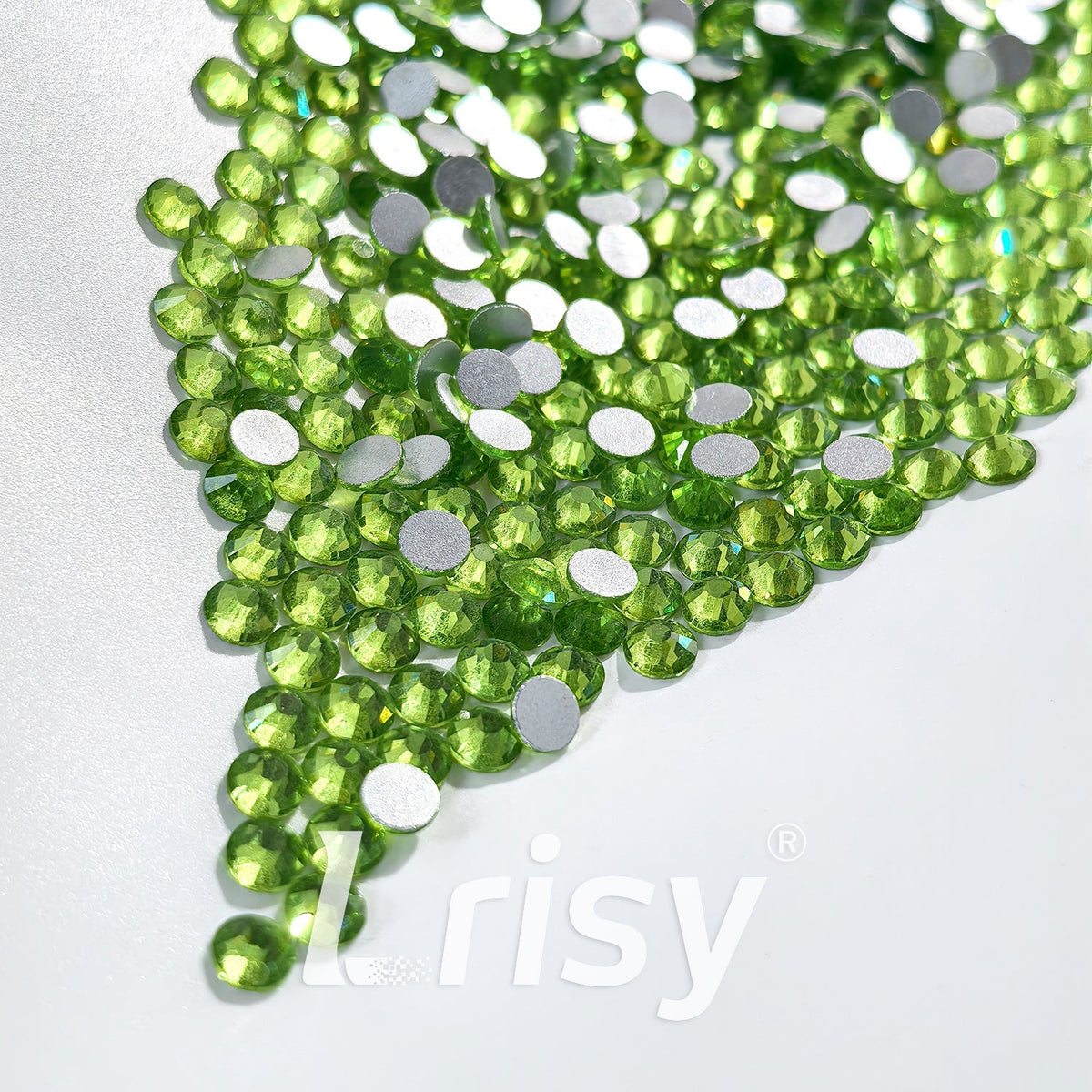
To import rhinestones internationally, you need to (1) classify them under the correct HS code based on material — 7018.10 for glass, 3926.90 for plastic, or 7104.20 for crystal — (2) choose a shipping method that matches your order size (express courier for samples under 10 kg, air freight for 10–100 kg, sea freight for 100+ kg), (3) verify suppliers through trade assurance and sample testing, and (4) purchase cargo insurance for shipments over $1,000. Customs duties typically range from 2% to 20% depending on material and destination country.

The $400 Surprise: What Every First-Time Rhinestone Importer Discovers Too Late
Sarah had been selling hand-embellished bridal accessories on Etsy for eight months when she landed her first wholesale order: 500 crystal-studded hair combs for a wedding boutique chain. She found a Chinese rhinestone supplier on Alibaba with glittering product photos, a 98% positive rating, and prices 60% lower than domestic distributors. She wired $3,200 for 50,000 mixed-size flat-back crystals and chose the cheapest sea freight option.
Twenty-three days later, her shipment arrived at the Port of Los Angeles. Then the brokerage notice came: $380 in customs duties, $175 in processing fees, and a $220 storage charge because the paperwork listed the wrong HS code. Her "bargain" shipment suddenly cost 24% more than expected — and it took another nine days to clear customs.
If you are reading this, you are likely searching for the same thing Sarah was: a clear, no-surprises path to importing rhinestones without hidden costs, customs holdups, or supplier headaches. Whether you are buying glass flat-backs for garment embellishment, acrylics for craft production, or precision-cut crystals for luxury goods, the logistics of international rhinestone shipping follow rules that are learnable — but unforgiving of shortcuts.
This guide covers everything you need to import wholesale rhinestones from China and other manufacturing hubs without the surprises that catch most first-time importers. We cover HS code classification, shipping method selection, customs duties by region, supplier verification, and risk management — all based on current 2026 trade regulations.
Why HS Code Accuracy Determines Your Rhinestone's Landed Cost
The single most common mistake in rhinestone importing is incorrect Harmonized System (HS) code classification. Customs authorities in every country use these codes to determine duty rates, and getting yours wrong triggers penalties, shipment holds, or overpayment — sometimes all three.
Why it matters: A single digit in your HS code can mean the difference between a 3% duty rate and a 20% one. For a $5,000 shipment, that is a $150 difference versus a $1,000 difference. Over the course of a year with multiple shipments, incorrect classification can cost thousands in excess duties or penalties.
Material-Based HS Code Classification
Glass rhinestones — the most common type used in fashion, accessories, and home decor — classify under HS code 7018.10: glass beads and imitation pearls. This category covers flat-back, sew-on, and hotfix rhinestones made from soda-lime or lead glass. Duty rates for 7018.10 typically range from 3% to 8% in most developed markets. The US rate is approximately 5.4% ad valorem.
Crystal rhinestones — including precision-cut varieties made from lead crystal or synthetic crystalline materials — fall under HS code 7104.20: synthetic or reconstructed precious stones. Despite not being genuine gemstones, their manufacturing process and chemical composition place them closer to precious stone classification. Duty rates here are typically 2% to 5%, the lowest of the three categories. Products adjacent to Swarovski-grade crystals commonly use this code.
Plastic or acrylic rhinestones classify under HS code 3926.90: other articles of plastics. Customs authorities generally assign higher rates to plastic goods than to glass or crystal because they classify them as more discretionary consumer goods. Expect duty rates of 8% to 15%. If your supplier lists "acrylic rhinestones" on the commercial invoice, verify the HS code matches before shipping.
HS Code Compatibility Table
| Material | HS Code | US Duty Rate | EU Duty Rate | UK Duty Rate | AU Duty Rate |
|---|---|---|---|---|---|
| Glass rhinestones | 7018.10 | ~5.4% | ~4.7% | ~4.7% | ~5% |
| Crystal rhinestones | 7104.20 | ~2–5% | ~2–4% | ~2–4% | ~3% |
| Plastic/acrylic rhinestones | 3926.90 | ~8–15% | ~6.5–12% | ~6.5–12% | ~8–10% |
Note: Rates are approximate and subject to change based on trade agreements, country of origin, and customs rulings. Always verify current rates with your customs broker or the relevant customs authority before shipping.
You can verify current US duty rates at the USITC HTS database, EU rates via the EU Common Customs Tariff, and UK rates at the UK Trade Tariff tool.
How to Avoid HS Code Penalties
If your supplier provides an HS code on the commercial invoice, do not assume it is correct. Many Chinese rhinestone suppliers use generic codes like 7018.90 (which covers other glass articles at a different rate) or 7117.90 (imitation jewelry). Cross-reference their code against the official tariff schedule for your destination country. When in doubt, request a binding tariff ruling from your customs authority — the process is free in most countries and gives you legal protection if customs later questions your classification.
Shipping Method Deep Dive: Match Your Order Size to the Right Carrier
Your shipping method choice directly impacts cost per unit, delivery speed, and how much hands-on customs work you will need to handle. Each option suits a different order profile, and picking the wrong one is one of the most expensive mistakes new importers make.
Shipping Method Comparison Table
| Method | Weight Range | Delivery Time | Cost per kg | Customs Handling | Best For |
|---|---|---|---|---|---|
| Express Courier (DHL/FedEx/UPS) | 0–10 kg | 3–7 days | $5–$16 | Carrier handles customs | Samples, small orders, urgent |
| Air Freight | 10–100 kg | 7–14 days | $4–$8 | Broker required | Medium batch orders |
| Sea Freight LCL | 100+ kg | 25–40 days | $1–$3 | Broker required | Bulk inventory, stock refills |
| Full Container (FCL) | 1,000+ kg | 25–40 days | $0.50–$1.50 | Broker required | Large-scale manufacturing |
Express Courier (DHL, FedEx, UPS)
Express couriers are the simplest entry point for first-time importers. They handle customs clearance as part of their service, which means you do not need a separate customs broker for shipments under the de minimis threshold. Delivery from China to most global destinations takes 3 to 7 business days.
The cost, however, is the highest per-unit rate of any option. A 5 kg box of flat-back rhinestones shipped via DHL Express can cost $40 to $80 in shipping — potentially more than the goods inside. Reserve this method for sample orders, time-sensitive production needs, and initial supplier verification.
Air Freight
Once you move beyond samples into regular batch orders, air freight becomes the sweet spot for orders between 10 kg and 100 kg. Delivery takes 7 to 14 days, and costs average $4 to $8 per kg depending on volume, destination airport, and fuel surcharges. Unlike express couriers, air freight requires a licensed customs broker or in-house clearance capability. Broker fees typically add $100 to $300 per shipment, so factor this into your per-unit cost calculations.
Sea Freight (LCL and FCL)
For bulk orders over 100 kg, sea freight offers the lowest per-unit shipping cost at $1 to $3 per kg via less-than-container-load (LCL) shipping, where you share container space with other importers. Delivery takes 25 to 40 days from Chinese ports like Shanghai, Ningbo, or Shenzhen to major Western ports.
At the largest scale — 1,000 kg or more — full container load (FCL) shipping drops costs to $0.50 to $1.50 per kg. FCL also reduces the risk of damage because your goods are not handled multiple times during consolidation and deconsolidation. The trade-off is longer lead time, more paperwork, and higher absolute shipping cost (even if per-unit is lower).
Why Express Courier Isn't Always the Smartest Choice for Bulk Orders
It is tempting to default to express courier for every order because it is fast, simple, and the courier handles customs paperwork. But for bulk orders, the math does not work in your favor for three reasons.
First, the per-unit shipping premium is extreme. Shipping 50 kg of hotfix rhinestones via express courier could cost $400 to $800. The same weight via air freight costs $200 to $400. Via sea freight: $50 to $150. The difference on a single order can fund your entire next sample run.
Second, express courier rates scale poorly. Courier pricing is optimized for documents and small packages, not freight. Once your shipment exceeds certain dimensional weight thresholds — common for rhinestones because the stones are dense but packed in bulky boxes with void fill — couriers apply dimensional weight pricing that can double your quoted rate.
Third, brokerage is bundled at a premium. Express couriers charge above-market rates for customs brokerage. A DHL brokerage fee for a $3,000 shipment might be $85, while an independent customs broker charges $125 for the same service but handles multiple shipments across different carriers, giving you more leverage on future rates.
Customs Duties and Import Taxes by Region (2026)
Understanding the full landed cost of importing rhinestones requires accounting for duties, value-added tax, and clearance fees. These vary significantly by destination country and can add 15% to 35% to your product cost if not anticipated.
United States
Glass rhinestones imported into the US face a duty rate of approximately 5.4% under HS 7018.10. Shipments valued under $800 enter duty-free under the de minimis threshold — one of the most generous allowances globally. For shipments over $2,500, a formal customs entry is mandatory, typically handled by a broker for $150 to $250 per filing. The US does not charge VAT; instead, there is no federal sales tax on imports, though state-level use tax may apply when you sell the finished goods. Check the CBP basic import/export guide for current requirements.
European Union
The EU applies a 4.7% duty on glass rhinestones (HS 7018.10) plus the destination country's value-added tax. VAT rates range from 19% (Germany, Cyprus) to 27% (Hungary, Sweden), with most countries around 20–23%. VAT is calculated on the total landed cost: goods value plus shipping plus duty. The de minimis threshold is approximately €150 — substantially lower than the US threshold. An Economic Operator Registration and Identification (EORI) number is mandatory for any commercial import activity in the EU.
United Kingdom
Post-Brexit, the UK maintains its own tariff schedule. Glass rhinestones attract a 4.7% duty with 20% VAT applied to the total landed cost (goods + shipping + duty). The UK's freeport zones offer duty deferral if you re-export finished goods, which can be valuable if you are using imported rhinestones in products destined for non-UK markets. The UK's de minimis threshold for customs duties is £135. Use the UK Trade Tariff to verify current rates before shipping.
Australia
Australia applies a 5% duty on glass rhinestones with a de minimis threshold of A$1,000. Goods and Services Tax (GST) of 10% applies to all imports valued above that threshold, calculated on the combined value of goods, shipping, insurance, and duty. The Australian Border Force requires a Customs Import Declaration for all commercial shipments.
Canada
Canada classifies glass rhinestones under HS 7018.10 with a duty rate of approximately 5% to 8% depending on the specific sub-classification. GST/HST of 5% to 15% (depending on province) applies to shipments valued over CAD $20 — an exceptionally low threshold. A customs broker is recommended for any commercial shipment, and the Canada Border Services Agency (CBSA) requires a valid Business Number for importers.
Regional Duty Comparison Table
| Country/Region | Duty (Glass, 7018.10) | VAT/GST | De Minimis | Broker Required? |
|---|---|---|---|---|
| United States | ~5.4% | 0% (state use tax may apply) | $800 | Over $2,500 |
| European Union | ~4.7% | 19–27% | ~€150 | All commercial shipments |
| United Kingdom | ~4.7% | 20% | £135 | All commercial shipments |
| Australia | ~5% | 10% GST | A$1,000 | Over A$1,000 |
| Canada | ~5–8% | 5–15% GST/HST | CAD $20 | Recommended for commercial |
Rates current as of June 2026. Verify with your customs broker before shipping, as rates can change with new trade agreements or tariff actions.
How to Verify Alibaba Rhinestone Suppliers Without Getting Burned
Alibaba connects buyers with thousands of rhinestone suppliers, but the quality gap between the best and worst is enormous. Due diligence before payment prevents the most common importing problems: misgraded stones, incorrect color matching, poor facet quality, and outright fraud.
Trade Assurance: Your Non-Negotiable Safety Net
Only place orders through Alibaba's Trade Assurance program, which holds payment in escrow until you confirm shipment and quality. Any supplier who asks to "skip Alibaba fees" and wire money directly is a red flag. Trade Assurance covers order quantity, quality, and shipping timelines. If the supplier ships 40,000 stones instead of 50,000, you get refunded for the difference. Without it, you have limited recourse and would need to pursue the supplier through Chinese legal channels — a process that can take months and cost more than the shipment itself.
Sample Testing: The $30 Insurance Policy
A $30 sample order can save thousands in defective inventory. Before committing to production quantities, request samples from at least three suppliers and evaluate them on these criteria:
- Stone consistency. Lay out 50 stones on a flat surface. Are they uniform in size? Even a 0.2 mm variance becomes visible in finished products.
- Color matching. Compare against your Pantone reference. Many suppliers' product photos are edited or shot under lighting that conceals color discrepancies.
- Backing adhesion. For hotfix stones, test adhesion at your intended application temperature. Different suppliers use different glue formulations that activate at different temperatures.
- Facet sharpness. Genuine high-quality rhinestones have crisp, well-defined facets. Dull or rounded edges indicate lower manufacturing standards and less sparkle in finished products.
Red Flags to Watch For
- Suppliers with fewer than 3 years on the platform
- Response rates below 90%
- Recent reviews (last 6 months) that mention quality degradation — some suppliers maintain high overall ratings by padding early reviews, then drop quality once established
- Reluctance to do a live video walkthrough of the production floor. Reputable suppliers in Wenzhou and Yiwu (the main Chinese rhinestone manufacturing hubs) accommodate this without hesitation
- Vague or inconsistent HS code information on quotes and invoices
Why Cargo Insurance Should Be Non-Negotiable for Shipments Over $1,000
Standard carrier liability covers approximately $0.50 per pound — a figure that has not changed in decades and bears no relationship to the actual value of the goods. A $3,000 shipment of crystal rhinestones weighing 20 pounds carries only $10 of built-in coverage. If that container falls off a forklift or gets soaked in a customs warehouse, you absorb the entire loss.
All-risk marine cargo insurance is the industry standard for rhinestone shipments. It covers physical loss or damage during transit, including but not limited to: container damage, theft, weather events, rough handling, and customs warehouse accidents. Premiums run 0.3% to 0.8% of the declared value. For a $10,000 shipment, that is $30 to $80 — a fraction of the potential loss.
Self-insuring shipments over $1,000 is a common mistake that first-time importers make. The logic seems sound: "I will just absorb the risk because losses are rare." But logistics industry data published by the International Chamber of Commerce indicates that cargo loss or damage occurs in approximately 1 in 500 shipments. When it happens to a $5,000 order, that single loss wipes out the "savings" from skipping insurance on 62 previous shipments.
If you do need to file a claim, documentation is everything. Photograph packages upon arrival before opening. Record video of the unpacking process. Save all shipping documents and the original packing list. Insurance claims without photographic evidence are routinely denied. Most policies require notification within 7 days of delivery, so inspect promptly.
For more detail on shipping protection, review the DHL cargo insurance guide or the FedEx shipping insurance page for carrier-specific options.
Packaging and Labeling: Why It Matters More Than You Think
Rhinestones are small, dense, and prone to shifting during transit. Improper packaging causes more damage than rough handling by carriers. The stones grind against each other during thousands of miles of vibration, gradually dulling facets and reducing the sparkle that makes them valuable.
Always use compartmentalized inner packaging. Individual small plastic bags inside sturdy cardboard boxes, with void fill between layers, prevent stone-on-stone contact. Loose rhinestones in a single large bag shift constantly during transit, grinding facets together and producing visually degraded product upon arrival.
Label every package with clear, specific information. Mark each box as "Glass Beads / Imitation Jewels — Fragile" and include the correct HS code. Customs inspectors who cannot quickly identify a package's contents are more likely to flag it for physical inspection, which adds 2 to 5 days to clearance time. Including the HS code on the label also helps customs match the package to your electronic declaration.
Include a packing list inside the box in addition to the external documentation. If external labels are damaged, torn off, or rendered illegible during transit, internal documentation keeps your shipment moving through customs instead of being routed to a hold area.
Our shipping and returns page has more details on how LRISY packages orders for international transit.
FAQs: Importing Rhinestones Internationally
What is the minimum order quantity for wholesale rhinestones from China?
MOQs vary by supplier and stone size. Standard SS6 to SS16 rhinestones typically have an MOQ of 500 to 1,000 pieces per color. Custom colors or unusual sizes may require 5,000 or more pieces. Many Alibaba suppliers accept smaller quantities at a per-piece premium. LRISY offers flexible quantities with no strict MOQ on most items.
Do I need a customs broker for rhinestone imports?
A broker is required for commercial shipments over $2,500 in the US and for most commercial shipments in the EU and UK. Shipments under the de minimis threshold are typically cleared automatically by express couriers. Even on smaller shipments, first-time importers benefit from broker guidance to avoid classification errors.
How long does it take to ship rhinestones from China to the United States?
Express courier delivers in 3 to 7 days, air freight takes 7 to 14 days, and sea freight takes 25 to 40 days. Customs clearance adds 1 to 3 days for properly documented shipments. Misclassification or incomplete paperwork can extend clearance to 2 to 3 weeks.
What is the difference between glass, acrylic, and crystal rhinestones for shipping purposes?
The material determines the HS code and duty rate. Glass rhinestones (7018.10) are the most common with moderate duties of 3 to 8%. Acrylic rhinestones (3926.90) face higher duties of 8 to 15%. Crystal rhinestones (7104.20) have the lowest duties of 2 to 5% but require careful packaging to prevent scratching. Material also affects insurance valuation, with crystal stones declaring at higher per-unit values. Browse our crystal rhinestones, glass rhinestones, and special-shaped rhinestones to see the material differences.
Can I import rhinestones as a small business without a reseller license?
Yes, most countries allow occasional commercial imports without a license. The US requires no import license for rhinestones under $2,500. The EU requires an EORI number for any commercial activity. Some US states require a reseller certificate for tax exemption, but this is a state-level requirement, not a federal import restriction.
What happens if customs rejects my rhinestone shipment?
Rejected shipments face three outcomes: re-export at your cost, destruction, or re-classification with penalty fees. To minimize rejection risk, verify your HS code with a customs broker before shipping, ensure the commercial invoice exactly matches the packing list, and confirm your supplier provides compliant material declarations.
What Incoterms should I use when buying rhinestones from China?
FOB (Free On Board) is the most common and generally recommended Incoterm for Chinese rhinestone imports. Under FOB, the supplier handles costs until the goods are on the vessel, and you assume responsibility from that point. For first-time importers, CIF (Cost, Insurance, Freight) can be simpler because the supplier arranges shipping and insurance, though you pay a premium for this convenience. Always clarify the Incoterm before quoting prices. Review the Incoterms guide from the International Trade Administration for complete details on each term.
How do I handle customs clearance for the first time?
For your first shipment, use an express courier (DHL, FedEx, or UPS) for a small sample order. Express couriers handle customs clearance as part of their service, so you do not need a separate broker. Document the entire process: which documents were required, what HS code was used, and what the final landed cost was. Use this experience to build your import process before scaling to larger shipments that require a licensed customs broker.
Reading Next: Build Your Rhinestone Sourcing Knowledge
- Complete Guide to AB Rhinestone Colors — Understanding color codes and Aurora Borealis finishes for fashion applications
- Rhinestone Cup Chain: Applications, Sizes, and Selection Guide — Everything you need to know about pre-set rhinestone cup chain for garment embellishment
- Sew-On vs. Hotfix vs. Flat-Back Rhinestones: Which to Choose — Application methods compared for different production workflows
- Rhinestone Sizing Guide: SS, PP, and mm Conversion Chart — Navigating the confusing world of rhinestone size standards across suppliers
- Contact LRISY for Wholesale Pricing — Get factory-direct quotes and shipping estimates for your order
Putting It All Together: Your Rhinestone Import Checklist
Successful international rhinestone shipping comes down to four fundamentals: correct HS code classification, appropriate shipping method for your order size, verified suppliers, and adequate cargo insurance. Before placing your next international rhinestone order, run through this checklist:
- Confirm the material composition of your rhinestones (glass, crystal, or acrylic)
- Look up the correct HS code using your destination country's tariff schedule
- Request sample stones from at least three suppliers before selecting one
- Use Alibaba Trade Assurance or equivalent payment protection
- Choose your shipping method based on order weight and timeline — not convenience
- Purchase cargo insurance for any shipment valued over $1,000
- Verify packaging quality: compartmentalized inner bags inside sturdy boxes
- Label every package with the correct HS code and contents description
- Include a packing list inside each box in addition to external labels
- Save all shipping documents and photograph packages upon arrival
Start with small sample orders to test both product quality and your logistics process, then scale as you build confidence in your supply chain. The importer who invests time in getting these fundamentals right on the first order will pay less, wait less, and sleep better than the one who learns the hard way.
Ready to source wholesale rhinestones for your next project? LRISY offers factory-direct pricing on wholesale bulk rhinestones with fast international shipping from our warehouse. Browse our flat back, pointed back, hotfix, colors AB, and cup chain collections. Not sure what you need? Contact our team for personalized recommendations and shipping estimates.

Leave a comment
All comments are moderated before being published.
This site is protected by hCaptcha and the hCaptcha Privacy Policy and Terms of Service apply.