
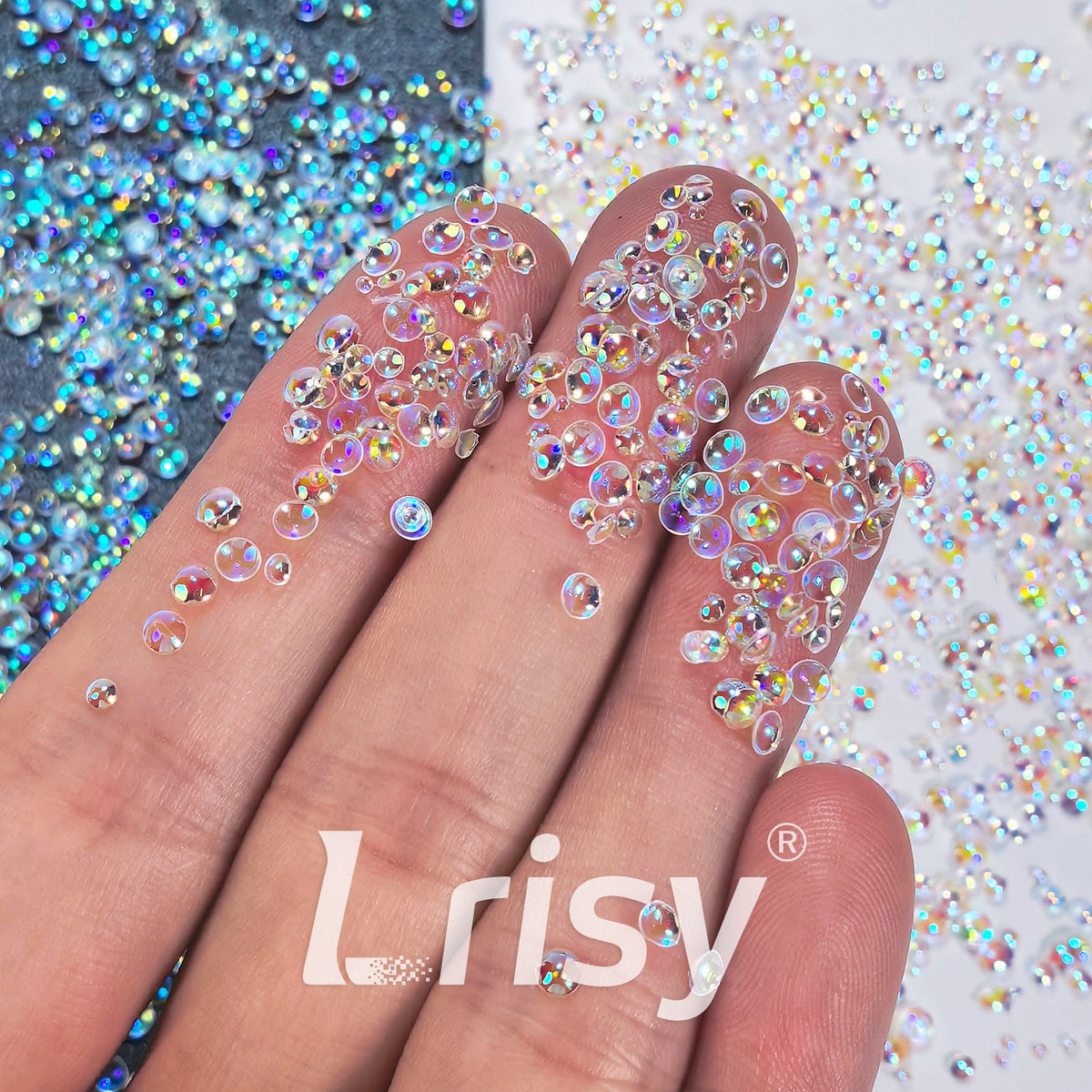
Quick Answer: A resin tumbler business should buy solvent-resistant, heat-rated glitter in fine sizes for full coverage and chunky/shaped sizes for accent effects, at $30–$80/kg wholesale for the chunky and shaped lines. A standard 30oz tumbler needs roughly 0.3–0.5oz of fine glitter (or 0.5–0.75oz of chunky) per project, so a single kilogram covers 60–100 tumblers. The two non-negotiables are solvent resistance (glitter sits inside uncured epoxy) and heat rating (epoxy curing can exceed 180°F), because glitter that fails either one bleeds, dulls, or discolors inside your finished product. As a resin baseline, use 100g of glitter per liter of resin and adjust for the sparkle density your market wants. Bottom line: match glitter to the epoxy environment — solvent-resistant and heat-rated — and buy chunky for premium geode and accent work where the margin lives.
A new resin tumbler business often starts in a garage selling custom cups on Etsy and at craft fairs, and its first big glitter order follows a familiar pattern: 20kg from a general craft supplier, chosen because it was the cheapest chunky available. The first batch of tumblers looks perfect for two days. Then the color starts to bleed: the glitter's dye dissolves into the epoxy, turning "crystal clear" geode cups into a muddy haze.
The price of that order is a full weekend of production and six customer orders redone at the maker's own cost. The glitter was not solvent-resistant: it looked identical in the bag, but inside epoxy it was a completely different product. Rework, refunds, and the lost weekend cost more than the glitter itself ever saved.
Businesses that get past that first order switch to solvent-resistant, heat-rated glitter in bulk: fine sizes for full-coverage work, chunky for a premium geode line priced at three times the standard cup. This guide covers the specs that matter in epoxy, the per-project quantities that keep you profitable, the 2026 trend palette, pricing benchmarks, and a stock plan for a growing tumbler business.
Key Takeaways
- Solvent resistance and heat rating are non-negotiable in epoxy — glitter that fails either bleeds, dulls, or discolors inside your finished piece.
- One 30oz tumbler needs 0.3–0.5oz of fine glitter or 0.5–0.75oz of chunky — a kilogram of fine covers roughly 60–100 tumblers.
- Stock two size buckets: fine for full-coverage shimmer, chunky/shaped for the premium geode and accent line.
- 2026 trends to stock: macaron pastels, holographic pigments, geode chunks, and color-shift iridescent.
- Wholesale pricing runs $30–$80/kg for chunky and shaped lines; fine craft PET starts around $8–$25/kg.
- Aim for a 100g glitter per liter of resin baseline and adjust for the sparkle density your market wants.
Why Epoxy Is Brutal on the Wrong Glitter (And the 3 Specs That Decide Your Product's Life)
Epoxy resin is one of the harshest environments glitter can face. It is a solvent, it heats up as it cures, and it traps whatever is inside it for the life of the product. Glitter not engineered for that environment fails in three predictable ways, and each one ruins a piece you cannot redo.
Why epoxy testing is the only way to know: a glitter can look identical in the bag and behave completely differently inside resin. The dye bleed from that first order was invisible until the glitter had sat in uncured epoxy for a day. This is why every serious tumbler maker test-cures a small batch before committing to a production run: the spec sheet tells you the ratings, but the test tells you the truth.
The Three Specs That Define Epoxy-Safe Glitter
- Solvent resistance — color stays stable inside uncured and cured epoxy. Test by mixing a small batch and watching for dye bleed over 24 hours.
- Heat rating — survives curing temperatures (180°F+). The spec sheet should state it.
- Adhesion / bonding — particles suspend and bond evenly in the resin rather than floating or sinking unevenly.
Each failed spec carries a concrete cost: a dye-bleed failure means redoing a $50–$95 cup with free glitter you already paid for twice. A heat-rating failure means warped or translucent flakes in a "premium" piece that should have been your highest-margin product. And an adhesion failure means a cup where the glitter settles at the bottom: a refund you cannot argue with. None of these are visible until you pour, which is exactly why the test batch is not optional.
LRISY tests its glitter in resin and epoxy and publishes the results on product pages — including dedicated posts on macaron colors tested in resin and holographic pigment in the resin-epoxy test. That transparency is exactly what you should ask any supplier for before ordering.
Particle Sizes: What a Tumbler Business Needs (And Why One Size Fails)
Tumbler work needs two distinct size buckets, and trying to run a whole line on one size is a common mistake. Fine glitter delivers smooth, even shimmer that reads as "quality craftsmanship," while chunky glitter delivers the visible dimensional flakes that justify a premium price. They are different products with different costs, different coverage, and different price points.
| Size | Best For | Amount per 30oz Tumbler | Price Positioning |
|---|---|---|---|
| Extra-fine (0.004–0.008 in) | Smooth, subtle shimmer | 0.2–0.3 oz | Mid-tier |
| Fine (0.008–0.015 in) | Classic full-coverage glitter | 0.3–0.5 oz | Volume driver |
| Chunky (0.015–0.04 in) | Bold, textured, geode effects | 0.5–0.75 oz | Premium |
| Shaped (hex, star, heart) | Accent placements, statement pieces | 0.3–0.5 oz | Premium / custom |
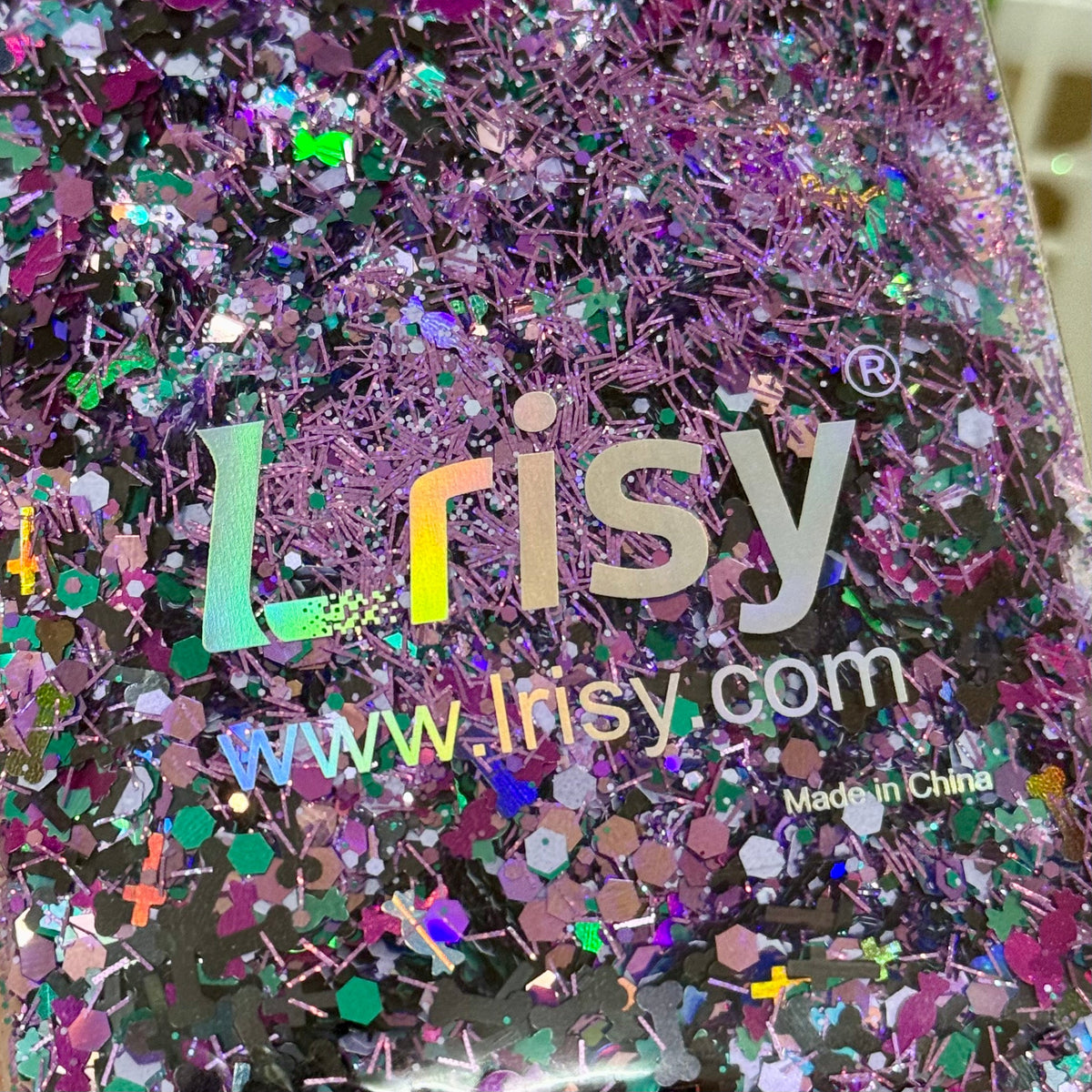
The two buckets split your business cleanly: fine glitter is your volume driver; it sells at $35–$55 a cup and moves in quantity. Chunky and shaped glitter is your margin driver: a geode cup sells at $60–$95 and uses only 0.5–0.75oz of material. A line that stocks only fine caps its average order value; a line that stocks only chunky misses the affordable everyday buyer. The winning tumbler menu carries both and prices them apart. LRISY's shaped chunky glitters and chunky glitter wholesale categories are built for this exact use — dimensional flakes and geode styles that let you charge premium prices.
How Much Glitter Does a Tumbler Actually Use? (The Per-Project Math)
The single most useful number for a tumbler business is glitter-per-project, because it converts your wholesale cost into a per-unit margin. Without it, you are pricing a $50 cup on a guess.
Run the numbers and the guess disappears: a kilogram of fine glitter at $15–$20 wholesale contains 35.3 ounces. If each tumbler uses 0.4oz, that single kilogram covers roughly 88 tumblers, a glitter cost of about $0.20 per cup. Chunky at $50/kg with 0.6oz per cup covers about 59 tumblers at roughly $0.85 per cup. Knowing these numbers is what lets you price a cup profitably instead of guessing, and it is what lets you set a wholesale tier that keeps cash out of dead inventory.
Per-Project Reference (30oz tumbler)
| Method | Glitter Amount | Application |
|---|---|---|
| Mix method | 0.3–0.5 oz fine | Stir into resin for even coverage, less waste |
| Sprinkle method | 0.5–0.75 oz chunky | Sprinkle over wet base coat for concentrated sparkle |
| Resin baseline ratio | ~100g per liter of resin | Starting point; adjust for desired density |
Reference numbers are starting points, not rules, which is why you track your own usage on the first batch. Dense geode layouts, layered coats, and heavy sprinkle techniques can double the per-project amount. Record the grams you actually use on the first cup of each design, then lock that number as your buying baseline. For the full formula — projects × grams × months × waste buffer — see the how much glitter do I need guide, which turns this per-project math into an order quantity.
Chunky glitter displaces 2–15% of resin volume depending on size, so factor that into your pour calculations. Fine glitter behaves more like a pigment and displaces less. If you pour a "1 liter" cup but fill 15% of it with chunky flakes, you under-fill the resin and get a weak, pitted surface.
2026 Resin Glitter Trends to Stock (And Why They Sell)
Trend-driven SKUs are where a tumbler business builds margin. These are the resin-glitter trends driving orders in 2026 — each one is a named look buyers are actively searching for.
- Macaron pastels. Soft pastel chunky mixes (pink, mint, lavender) are the 2026 fashion-forward look — LRISY's macaron color resin test shows the shades. Pastels read as premium and giftable, and they photograph well, the two things that drive Etsy and social orders.
- Holographic pigment. Rainbow-diffraction holographic glitter is the premium tier in tumblers, holding strong since 2025. See the holographic glitter range. It looks expensive in motion, which makes it the easiest upsell on any cup.
- Geode / chunk clusters. Chunky and shaped flakes arranged in geode lines remain the highest-priced service in the category. A geode cup is a statement piece — buyers pay for the look, not the material, and the material cost is under $1.30.
- Color-shift iridescent. Iridescent glitter that shifts between hues adds a premium effect to clear coats. Check the iridescent glitter collection. The shift is the "surprise" element that converts a basic cup into a conversation piece.
- Neon under UV. UV-reactive glitter for festival-season tumblers, a fast-growing 2026 segment in the neon glitter wholesale category. It is seasonal and event-driven, so it pairs naturally with Q2–Q3 festival marketing.
Stocking trends is a margin strategy, not a gamble: trends let you charge the premium price that carries your business. A macaron-pastel geode cup at $75 uses the same labor as a plain silver cup at $40, the difference is the trend SKU. Buy trends in curated quantities (100–250g per color) so you can test demand without betting the inventory budget.
The eco angle has reached resin too: the EU microplastics restriction (Regulation 2023/2055) is pushing craft buyers toward biodegradable options even in resin-safe lines. Biodegradable glitter runs $45–$65/kg wholesale — roughly 2–3× PET — but it is the fastest-growing eco segment. LRISY's biodegradable glitter wholesale guide explains how to verify a real eco claim before you stock it, and the glitter sample sets let you test the biodegradable tier before committing.
What a Tumbler Business Should Pay in 2026 (Pricing Benchmarks)
Benchmark quotes against these wholesale ranges. The chunky and shaped lines are where your premium pricing lives, so the higher per-kg cost is expected, and recovered by your service price.
| Type | Wholesale (per kg) | Cost per 30oz Tumbler | Typical Service Price |
|---|---|---|---|
| Fine craft PET | $8 – $25 | $0.10 – $0.30 | $35 – $55 |
| Holographic | $25 – $50 | $0.30 – $0.60 | $45 – $65 |
| Chunky / shaped | $30 – $80 | $0.50 – $1.30 | $60 – $95 (geode line) |
| Solvent-resistant / epoxy-rated | $20 – $55 | $0.25 – $0.70 | Premium marker on any line |
Judge glitter by per-cup cost, not the per-kg sticker: a chunky glitter at $80/kg looks expensive, but at 0.6oz per cup it is $1.30 of material on a $75 cup: a 57x markup on the glitter alone. The per-kg price only matters when you understand the per-cup consumption. For the full unit-cost and MOQ breakdown, see the bulk glitter pricing guide. And for a deep dive on the epoxy-safe buying process, LRISY's glitter for resin art bulk buying guide was written for exactly this business model.
Stock Plan for a Growing Tumbler Business (3-Month Model)
Here is a 3-month stock plan that keeps cash out of dead inventory while covering a full menu. It is built around the per-project math above — not around "how much glitter should I have."
| Category | Quantity | Rationale |
|---|---|---|
| Fine core colors (silver, gold, white, black) | 500g each | Volume drivers; ~88 tumblers per kg |
| Chunky / shaped premium line | 250g–500g each | Geode line; highest margin |
| Holographic / iridescent | 250g each | Premium up-sells |
| Trend / seasonal colors | 100g each | Macaron pastels, neons; test first |
This plan works because it is built on actual consumption: a tumbler business producing 20 cups a week uses roughly 8–10oz of fine glitter weekly, about 250–300g. A 500g stock of each core color covers about two months of production, while chunky (used at 0.6oz per premium cup) moves slower but at three times the margin. Buy the core in bulk and the premium in curated quantities; scale the premium only after geode sales prove out.
Start with a glitter sample set before you commit to this plan: you cannot build a stock plan on specs alone. Test the fine, chunky, holographic, and iridescent options in your actual resin first, confirm which colors your buyers order, and then buy the 500g core tier for the winners. A sample set costs a few dollars and saves you from a 3-month bet on the wrong palette.
Vetting a Resin-Safe Glitter Supplier: The Checklist
Run every candidate through this checklist. For epoxy work, the stakes are a full production run — not a single jar. A supplier who cannot answer these questions cannot protect your cups.
- Solvent-resistance spec? A published rating for epoxy and polish compatibility. LRISY publishes epoxy test results on product pages.
- Heat rating? Does the spec sheet state it survives curing temperatures (180°F+)?
- Batch samples from the actual lot? Mix a small batch of the sample in your resin and watch for dye bleed over 24 hours.
- Color-fastness data? Does the color hold under UV and heat without fading?
- Particle consistency? What is the batch-to-batch size tolerance? Inconsistent lots cause patchy finishes.
- Return / replacement policy? What happens if a lot fails the epoxy test in your studio?
For the full vetting playbook — red-flag phrases and sample-testing technique — see LRISY's how to vet a wholesale glitter supplier guide. Why this checklist is non-negotiable for tumbler work: a bad lot does not cost you one jar; it costs you a production week, your reputation on a marketplace, and the material you already poured. The 15 minutes this checklist takes is the cheapest insurance in the business.
Why Tumbler Businesses Fail (And How the Winners Operate)
The resin tumbler category looks crowded, but the failure modes are consistent, and almost all of them are avoidable. Here are the four ways tumbler businesses die, and the operating habit that prevents each one.
- Buying glitter by price instead of by spec. The cheapest chunky glitter is almost always the one that bleeds in epoxy. That $20/kg saving turns into a $600 rework week. Winners buy epoxy-rated glitter and treat the spec sheet as a purchase requirement.
- Running one size bucket. A line that stocks only fine caps its order value; a line that stocks only chunky misses the everyday buyer. Both single-size lines leave margin or volume on the table. Winners carry fine + chunky and price them apart.
- Guessing per-project quantity. Without the 0.3–0.5oz per-cup number, you either run dry mid-week or sit on a kilo of dead color, and both outcomes cost money. Winners track actual grams on the first batch of each design.
- Skipping the test batch. Pouring a production run on a spec you never verified is the single most expensive gamble in resin work. Dye bleed and dulling are only visible after 24 hours, when your cups are already made. Winners test-cure before every new glitter SKU.
The recovery template runs straight down the winners' column above: solvent-resistant and heat-rated specs only, fine for volume and chunky for the geode line, and a test batch before every new color. Material cost per cup stays under $0.90 even on the premium line, and the refund rate drops to under 2%.
FAQ: Bulk Glitter for Resin & Tumbler Business
What glitter is safe to use in resin?
Solvent-resistant, heat-rated glitter — typically labeled "epoxy-safe" or "solvent-resistant." It keeps color stable inside uncured epoxy and survives curing temperatures. Always test a batch in your resin before committing to bulk.
How much glitter does a 30oz tumbler need?
Roughly 0.3–0.5oz of fine glitter, or 0.5–0.75oz of chunky. As a resin-ratio baseline, use about 100g of glitter per liter of resin and adjust for density.
Can I use craft glitter in epoxy resin?
Only if it is specifically solvent-resistant and heat-rated. Many "craft" glitters are not coated for epoxy and will bleed dye into the resin, ruining the piece.
What is the best glitter size for tumblers?
Fine (0.008–0.015 in) for full-coverage classic shimmer, chunky/shaped for bold geode effects. Most successful tumbler lines stock both and price them differently.
How much does bulk glitter cost for resin work?
Fine craft PET runs $8–$25/kg wholesale; holographic $25–$50/kg; chunky and shaped $30–$80/kg. Epoxy-rated lines sit in the $20–$55/kg range.
Is chunky glitter worth the higher cost?
Yes for the geode/premium line, a $60–$95 service price recovers the ~$0.50–$1.30 per-cup glitter cost many times over. It is the highest-margin category in the tumbler market.
Why does glitter bleed color in my resin tumbler?
The glitter's coating is not solvent-resistant, so the dye dissolves into the uncured epoxy and turns clear resin hazy. Switch to an epoxy-rated glitter and test-cure before each new color.
How many tumblers does one kilogram of glitter cover?
A kilogram of fine glitter contains 35.3 ounces and covers roughly 60–100 tumblers at 0.3–0.5oz each. A kilogram of chunky covers about 50–70 tumblers at 0.5–0.75oz each.
📚 Reading Next
Continue exploring the LRISY glitter library for your tumbler business:
- Glitter for Resin Art Bulk Buying Guide — the epoxy-safe buying process for crafters and small businesses.
- How Much Glitter Do I Need? — per-project quantity calculations and the ordering formula.
- Bulk Glitter Pricing Guide — unit costs, MOQs, and hidden fees.
- How to Vet a Wholesale Glitter Supplier — the certification and QA checklist.
- Bulk Glitter Buying Guide — sizes, finishes, and sourcing math at wholesale scale.
Conclusion
A resin tumbler business runs on two numbers: the solvent-resistance and heat spec of your glitter, and the per-project quantity that turns a kilogram into a per-cup margin. Stock fine sizes for your volume line, chunky and shaped for the premium geode work, and verify epoxy-safe specs on paper before every order. Match the trend palette to the season — macaron pastels, holographic, and UV neons are the 2026 drivers — and your glitter inventory becomes a profit center instead of a gamble.
Almost no tumbler studio fails from lack of talent; studios eat their own margin when discipline slips, and discipline here means matching spec to epoxy, tracking per-cup usage, and testing before every run. If you only pour occasional cups as gifts, ignore the stock plan and the trend palette, and keep just the test batch. For anyone selling tumblers week after week, glitter is the cheapest material in the cup and still the one that decides whether the cup survives.
Ready to stock your tumbler business? Browse LRISY's chunky glitter wholesale and shaped chunky glitters, check the epoxy resin art accessories, and start with a sample set to test colors in your own resin.

Leave a comment
All comments are moderated before being published.
This site is protected by hCaptcha and the hCaptcha Privacy Policy and Terms of Service apply.