
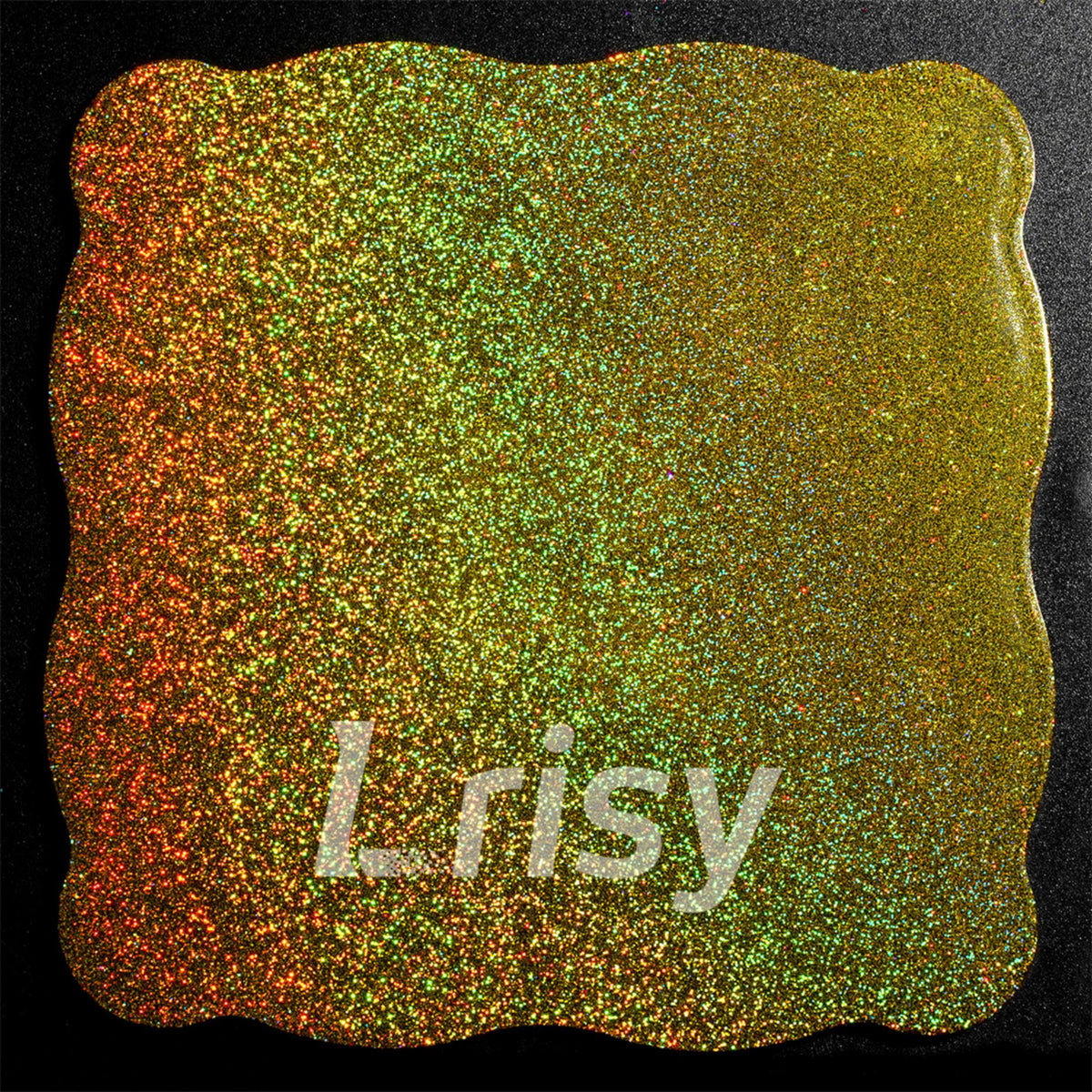
Quick Answer: Gold glitter fashion and decor is a major demand lane: gold glitter prom dresses (1,600/mo), gold glitter roses (880/mo, difficulty 15), and gold glitter wallpaper (390/mo) drive strong volume. For fashion, champagne and rose gold read most luxuriously on fabric; use fabric-suitable glitter sealed with the right adhesive. For decor, gold glitter roses are the easiest high-value niche: fine gold glitter applied to preserved roses with adhesive. Gold + white and gold + black are the premium pairings, and the DIY potential is real: a plain dress becomes a statement piece and gold-dipped roses are a luxury gift anyone can make.
Prom season comes with a deadline, and the ready-made glitter gown carries a price to match. That is how the plain satin dress on sale becomes the plan. The tempting shortcut, yellow gold with craft glue, sheds onto the floor before the dress reaches the car. What survives the night is fine champagne glitter, flexible fabric glue, and a heat-set finish, at a third of the ready-made cost.
Gold glitter fashion isn't just for buying; it's for making. Get the shade and adhesive pairing right once, and the same pattern repeats across the category: gold is the celebration color — prom season, weddings, New Year's, and gifting all lean on it — and the demand spans fashion (dresses, shoes, bags) and decor (roses, wallpaper, stars), each with its own material rules. The shade and flake size that make a dress look expensive are different from the ones that make a wall sparkle, and most guides never connect the two.
This guide covers the gold glitter fashion and decor market, the DIY techniques that produce wearable, durable results, the project-by-project quantities that keep costs predictable, and where to source the finishes that read as luxury. You'll learn which shade belongs on which surface, why the adhesive matters more than the glitter, and how to buy gold without getting burned on tone.
Key Takeaways
- Gold glitter prom dresses (1,600/mo) lead the fashion lane, followed by pumps (720/mo), long dresses (590/mo), and sneakers (480/mo).
- Gold glitter roses (880/mo, difficulty 15) is the easiest high-value decor niche in the gold cluster.
- Champagne and rose gold read most luxuriously on fabric; yellow gold can look brassy under venue lighting.
- DIY glitter apparel needs fabric-suitable adhesive; craft glue cracks when fabric flexes, and a flexible glue or heat-set film is the fix.
- Gold glitter wallpaper (390/mo) and stars (390/mo) serve the home-decor lane, with medium (0.040") giving the most visible wall sparkle.
- Gold + white and gold + black are the premium pairings: the accent color sells the "designer" read.
"Why Is Gold Fashion & Decor So Big?" — The Celebration Lane
Gold is the only glitter color tied directly to celebration milestones: prom, weddings, graduation, and New Year's. That milestone association drives high-intent, high-volume searches, because people aren't browsing for a craft supply; they're planning an event, a gift, or a product launch that needs to feel premium. Prom season alone creates a predictable annual spike in gold dress and shoe searches, and the same pattern repeats for weddings every summer.
The numbers: Gold glitter prom dress (1,600/mo), gold glitter roses (880/mo), and gold glitter pumps (720/mo) are among the top keywords in the cluster. Together, fashion and decor represent a major share of gold demand, and the decor lane holds the easiest ranking wins (roses at difficulty 15).
The two business models: (1) Ready-made roundups, affiliate content targeting prom dress and shoe shoppers. (2) DIY how-tos: content showing readers how to create gold glitter pieces, which drives material sales. The DIY version wins that comparison: a roundup sends a reader to a competitor's store; a how-to keeps them on the material page where the glitter itself is the product. Both intents land on the same category, which is why covering both in one guide captures two audiences at once.
Which Gold Shade Reads Best on Fabric?
The #1 fashion mistake is choosing the shade first and the surface second. Fabric is textured and moves, so it amplifies both color and fall-off problems. Here's how the four gold tones actually read on fabric, and where each belongs.
| Shade | Read on Fabric | Best For | Avoid On |
|---|---|---|---|
| Champagne Gold | Soft, luxe, skin-flattering | Prom, bridal, evening wear | — |
| Rose Gold | Romantic, premium | Bridal, soft looks | Very warm lighting that turns it copper |
| Yellow Gold | Bold, celebratory | Statement, New Year's | Skin-tone-heavy fashion reads |
| Holographic Gold | Dimensional, premium | Editorial, events | — |
Yellow gold carries a bright, saturated pigment load that textured fabric amplifies; under warm venue lighting it shifts toward "brassy." Champagne is a soft warm neutral and rose is a gold-pink blend; both reflect less harshly off woven fibers, so they photograph like they cost more. That combination is why champagne and rose beat yellow on fabric, and it turns tone into a buying decision: if you're sourcing for a dress line, ordering the wrong shade means a finished garment that reads cheap, and gold is the tone most distorted by phone screens, so you can't judge it from a listing photo. See the gold glitter collection for the champagne and yellow options, and the rose gold collection for the bridal and soft-look finishes.
DIY Gold Glitter Dresses That Don't Shed
The most common gold fashion failure isn't the glitter — it's the adhesive. Craft glue dries rigid, so the moment the fabric flexes, the glitter shears off. Here's the method that produces wearable, durable results.
The 4 rules of wearable gold glitter
- Use a flexible adhesive. Fabric glue or heat-activated bonding film — never craft glue, which cracks when fabric flexes. A dress moves with the body; a rigid adhesive snaps under that movement, and stiff glitter particles on a flexing surface are the classic fall-off combo.
- Use fine glitter (0.004"–0.015"). Chunky flakes shed and catch on fabric fibers, while fine particles lie flatter and embed deeper into the adhesive, so they hold better and feel less scratchy against skin.
- Seal with a fabric-compatible sealer or heat-set the adhesive per its instructions. The sealant is what takes the wear; glitter without sealant is glitter with a countdown.
- Wash sparingly and inside-out. Glittered apparel is delicate. Friction and detergent are the two forces that pull flakes off a garment; spot-cleaning keeps the finish intact.
The application method, step by step
Lay the garment flat, place the fabric where you want the glitter, and tape the edges. Apply a thin, even layer of fabric glue to a section no larger than a hand span, dust fine gold glitter over the wet adhesive, and press lightly so the flakes sit flat. Let each section cure before moving on; this prevents the adhesive from skinning over between sections, which is the #1 cause of patchy coverage. Once the whole piece is done, heat-set or apply the fabric sealer, then cure for 24 hours before wearing. Why working in small sections matters: fabric glue dries fast, and glitter pressed into an already-skinning adhesive won't embed: it sits on the surface and sheds by the end of the night.
Gold Glitter Shoes, Heels & Pumps: The 5-Step Method
Gold pumps (720/mo) and heels are an evening-wear staple, and custom glitter shoes are one of the most popular gold DIY projects. Shoes take more abuse than a dress (they flex, rub, and scrape), so the prep and seal steps are non-negotiable.
- Prep: Clean the shoe surface with rubbing alcohol; tape off areas to protect. The bond is mechanical, so the adhesive needs a clean, dry surface with microscopic grip; shoe polish residue is a bond-killer.
- Adhesive: Apply a thin, even layer of strong adhesive (fabric glue or rubber cement) in sections: a full-shoe coat skins over before you reach the toe, and section-by-section keeps the adhesive wet where you're working.
- Glitter: Press fine-to-medium gold glitter (0.015"–0.040") onto the wet adhesive. Medium gives visible individual flakes on a shoe; fine reads smoother for everyday wear.
- Dry: Let it cure 24 hours.
- Seal: Apply a clear top coat and cure 24–48 hours before wearing. Why the long cure: shoes flex at the toe and heel constantly; a fully cured sealant is what keeps the glitter on through a night of dancing.
LRISY's glitter shoe tutorial covers the technique in depth with the full material list. For the gold glitter itself, fine-to-medium gold from the gold glitter collection reads best on footwear.
Gold Glitter Roses (Difficulty 15): The Easiest High-Value Niche
Gold glitter roses (880/mo) is the lowest-difficulty high-value keyword in the gold cluster. Gold-dipped roses are a luxury gift and decor item — sold everywhere from Etsy to florists — and the DIY is accessible enough for anyone to make them at scale. It's also the niche with the weakest competition, which is why a single thorough article can rank fast.
How to Make Gold Glitter Roses
- Preserve the roses: Use dried or preserved roses. Fresh roses wilt and shed glitter within days; preserved roses hold the finish for months and ship safely.
- Adhesive: Spray or brush a thin, even layer of adhesive over the petals, not a wet coat; too much adhesive pools between petals and shows as dark seams once it dries.
- Glitter: Dust fine gold glitter (0.015") over the wet adhesive, working petal by petal from the outer edge inward for full coverage. Chunky flakes sit on the surface and shed; fine flakes embed into the finish.
- Seal: Apply a light clear sealant to lock the glitter and prevent shedding. Seal before the adhesive fully cures so the flake sits inside the finish rather than on top of it.
- Dry: Let the finished rose cure 24 hours before handling.
Two details separate roses that keep their sparkle from roses that shed onto the table within a week. First, work in small batches so the adhesive never skins over while you're dusting. Second, dry between the two seal coats: the second coat is what takes the wear, and a first coat that's still tacky will smear instead of seal. Fine gold glitter is the material — LRISY's glitter powder range has the fine gold particles roses need.
Gold Glitter Home Decor: Wallpaper, Stars & Accents
Home decor is the third gold lane: wallpaper (390/mo), stars (390/mo), and accent pieces. This lane rewards sellers because decor projects use more glitter per item than fashion, and the results photograph well enough to feed an entire content strategy.
Gold Glitter Wallpaper
Gold glitter wallpaper creates accent walls and festive backdrops. Use fine-to-medium gold with a strong adhesive base; medium (0.040") gives the most visible sparkle on wall surfaces because a wall is viewed from distance and needs flakes big enough to catch light. Fine gold reads as a flat wash there, not a sparkle.
For a wall that stays put: roll a thin, even adhesive base onto a primed section about 3 x 3 feet (90 x 90 cm) at a time, dust the gold over it, and press lightly with a roller so the flakes sit flat rather than standing on edge. Move in sections so the adhesive never skins over, and finish with a clear matte or satin sealant in two thin coats. A textured or already-painted wall drinks more adhesive than fresh drywall, so test a corner first before committing the whole wall. Flakes that stand on edge catch dust and shed; flat flakes reflect light evenly and stay put.
Gold Glitter Stars & Accents
Gold stars, decorative shapes, and centerpiece accents use fine gold for subtle shimmer or chunky for statement pieces. The shaped chunky glitter range covers gold hexagons and stars for dimensional decor. A hexagon or star flake acts as a design element on its own. On a wreath or mantel display, a few shaped flakes read as intentional decoration where round glitter reads as texture.
Gold + White / Gold + Black Pairings
Gold pairs best with one accent. Gold + white is the clean luxury look for weddings; gold + black is the drama look for events. LRISY carries silver and rose gold alongside gold for the full pairing range. A shopper searching "gold and white glitter" is a different keyword from "gold glitter": stocking the accent colors captures a second intent pool on the same product, which is the seller's case for carrying the pairings.
Gold Glitter Decor Project Library: Materials & Quantities
The decor lane is where gold glitter pays off fastest: the projects are simple, the results photograph well, and the quantities are small enough to keep costs predictable. Here's what each common project actually needs.
Holiday & Christmas Decor
Gold ornaments, garlands, and table-scatter dominate December. Fine-to-medium gold (0.015"–0.040") works on ornaments; brush on a thin adhesive, dust the flake on, then seal. A 25–50 g (1–2 oz) pouch covers a standard 6-foot garland or a box of about a dozen ornaments. Chunky gold hexagons add a dimensional layer on wreaths and mantel displays.
Weddings: Centerpieces, Favors & Table Accents
Gold-dipped table numbers, candle holders, and favor boxes are the wedding staples. Preserved gold roses anchor centerpieces, while fine gold on favor boxes and escort cards keeps the look cohesive without reading heavy. Budget 5–10 g (0.2–0.35 oz) per favor box and 15–25 g (0.5–1 oz) per centerpiece arrangement.
Home Accents & Furniture
Gold glitter on photo frames, vases, tray surfaces, and lamp bases upgrades a piece without a full redo. Medium gold (0.040") gives the most visible sparkle on flat surfaces; fine gold suits curved or textured pieces where chunky flakes would look busy. A 100–150 g (3.5–5 oz) pouch is usually enough for two to three medium furniture accents.
Gift Wrapping & Packaging
| Project | Materials | Quantity |
|---|---|---|
| Gift box / bag | Fine gold + brush adhesive | 5–10 g per box |
| Wrapping-paper detail | Fine or holographic gold | Stencil + 3–5 g |
| Ribbon & bow trim | Fine gold pressed into wet glue | 1–3 g per bow |
Packaging is the cheapest way to test a gold glitter line: the quantities are tiny, the photo payoff is immediate, and the same flake doubles as storefront packaging. Buy 20–30% extra on every decor order: gold tone varies across dye lots, and a later touch-up from a different lot will show. Extra from the same order guarantees you can fix chips and scrapes with a matching flake. When you scale past samples, the bulk glitter pricing guide shows how unit costs and MOQs shift across flake sizes, and the how much glitter do I need guide has the per-project quantity math.
Gold Tone Match: Champagne, Bronze, Classic, or Rose?
"Gold" is a family of tones, and picking the wrong one is the fastest way to make a premium project read flat. The same flake size in a different tone changes the whole feel: here's how the four most-used golds compare across surfaces. Rose gold is the warm gold-pink blend that dominates bridal; the others cover the decor and celebration range.
| Tone | Read | Best Surfaces | Avoid On |
|---|---|---|---|
| Champagne Gold | Soft, skin-flattering, luxe | Fabric, bridal, favors, candles | Dark walls where it washes out |
| Rose Gold | Romantic, modern premium | Bridal, gift boxes, jewelry displays | Very warm lighting that turns it copper |
| Classic (Yellow) Gold | Bold, celebratory, high-contrast | Holiday decor, statement walls, New Year's | Skin-tone-heavy fashion reads |
| Antique / Bronze Gold | Old-world, muted, earthy | Frames, furniture, autumnal decor | Bright celebratory themes |
See gold in hand before you buy, because it is the tone most distorted by phone screens and venue lighting; the same flake looks different on a listing photo, in daylight, and under warm venue lights. If you're ordering for a client or a photoshoot, don't guess: order a glitter sample set and hold the tones against the actual surface and venue light before buying a full run. Champagne and classic gold cover the bulk of decor work; rose and bronze are the specialist tones that drive margin on bridal and gift lines.
Gold Glitter Color Combinations That Sell
Gold's pairing strategy is what separates a "designed" look from scattered glitter. Seven combinations cover almost every fashion and decor scenario:
- Gold + White: Clean luxury, the wedding favorite. White base, gold accents. See white glitter. White makes gold look brighter and more premium, which is the pairing's selling point.
- Gold + Black: Drama and edge, gold accents on black bases; the high-contrast read is what sits behind most "luxury" event looks.
- Gold + Silver: Celebration contrast, for New Year's and events. See silver glitter. The appeal is maximum contrast with zero color clashing.
- Gold + Champagne: Layered warmth for premium looks: two warm tones build depth without fighting each other.
- Gold + Blush: Soft romantic layering for bridal accents, with rose gold bridging the two; it's the on-trend soft-luxury read for wedding content.
- Gold + Forest Green: A rich holiday alternative to red; gold on deep green reads expensive because it's a fresh seasonal take that stands out from the red-and-gold default.
- Gold + Navy: Preppy-to-evening contrast, gold stars and accents on navy bases. Navy is the backdrop in the holographic and premium gold range that reads sophisticated at night.
Buying Gold Glitter for Fashion & Decor Businesses
If you sell glittered products or run a DIY shop, the sourcing rules are straightforward, and gold has one extra rule that other colors don't.
What to Stock
- Fine champagne gold: the fashion and rose workhorse.
- Fine-to-medium yellow gold: the decor and statement finish.
- Rose gold line: the premium bridal and cosmetic margin.
- Silver and white accents: the pairing colors that drive up-sells.
The gold-specific buying rule: gold is the tone-sensitive color, so stock depth over breadth: order fewer shades at higher quantity per shade, and always verify tone on a batch sample from the actual lot you'll receive. For factory-direct pricing and MOQs, the wholesale glitter buying guide covers the full procurement process. Before you commit to a supplier, vet their spec sheets and MOQ terms with the supplier vetting guide, and if you're sourcing for a retail line that emphasizes sustainability, the biodegradable glitter guide covers the certified options. Order a glitter sample set first, gold is the tone most distorted by phone screens and venue lighting, so seeing it in hand is non-negotiable.
FAQ: Gold Glitter Fashion & Decor
What gold glitter is best for prom dresses?
Champagne or rose gold fine glitter reads most luxuriously on fabric. Yellow gold can look brassy under venue lighting. Use fabric-suitable adhesive for wearable pieces.
How do I make gold glitter roses?
Use preserved roses, apply a thin adhesive layer petal by petal, dust fine gold glitter, seal with clear sealant, and cure 24 hours.
Can gold glitter be used on shoes?
Yes: clean the surface, apply strong adhesive, press fine-to-medium gold glitter, dry 24 hours, seal with top coat, cure 24–48 hours.
Is gold glitter wallpaper hard to apply?
Use fine-to-medium gold with a strong adhesive base; medium (0.040") gives the most visible sparkle. Apply in sections and seal for durability.
What's the best gold glitter for home decor?
Medium gold (0.040") for visible sparkle on walls and accents; fine gold for subtle shimmer. Chunky gold for dimensional statement pieces.
How much gold glitter do I need for a decor project?
Ornaments take 25–50 g per dozen, favor boxes 5–10 g each, and medium furniture accents roughly 100–150 g total. Buy 20–30% extra so touch-ups later use the same dye lot.
What's the best gold glitter for gift wrapping and packaging?
Fine gold (0.004"–0.015") with brush-on adhesive for boxes and bags, and holographic gold for stenciled details on wrapping paper. Quantities are tiny: 3–10 g per item.
Can I use the same gold glitter for dresses and home decor?
Yes, if the flake size fits both. Fine gold suits fabric and small decor; medium gold works for furniture and walls but sheds on washable apparel. Choose the flake per project and seal apparel pieces separately.
Where can I buy gold glitter for fashion projects?
Buy from a factory-direct manufacturer that publishes specs. LRISY's gold glitter collection carries the champagne, yellow, and rose finishes fashion and decor projects need.
📖 Reading Next
Continue exploring the LRISY glitter library:
- Bulk Glitter Buying Guide: sizes, finishes, and MOQ math at wholesale scale.
- Bulk Glitter Pricing Guide: unit costs, MOQs, and hidden fees.
- How to Glitterize a Pair of Shoes: the full footwear DIY with a material list.
- Cosmetic Glitter Regulations: FDA vs REACH compliance for glitter products.
- How Much Glitter Do I Need?: per-project quantity calculations for any craft.
Conclusion
Gold glitter fashion and decor is the celebration lane. Prom dresses, gold roses, wallpaper, and stars all lean on gold's milestone association, and the DIY potential is real: a plain dress becomes a statement piece, and gold-dipped roses are a luxury gift anyone can make. Every project here runs on the same calls: champagne and rose for fashion, fine gold for roses, medium for wallpaper, fabric-suitable adhesive for anything wearable, and a sealant on everything.
If the piece gets machine-washed or left to the weather, skip the glitter entirely: no sealant survives that abuse, and the unglittered finish is the better product.
The discipline is commercial too: the decor lane holds the easiest ranking wins in the whole gold cluster (roses at difficulty 15), and the fashion lane's weak competition means a guide that connects both captures two intent pools your competitors ignore. Matching tone and flake to the surface is what turns a project that "looks handmade" into one that "looks designed."
Ready to stock gold glitter? Browse LRISY's gold glitter collection and the rose gold collection: factory-direct pricing for DIY makers and small businesses. Start with a sample set to verify gold tone in hand before your first bulk order.

Leave a comment
All comments are moderated before being published.
This site is protected by hCaptcha and the hCaptcha Privacy Policy and Terms of Service apply.