
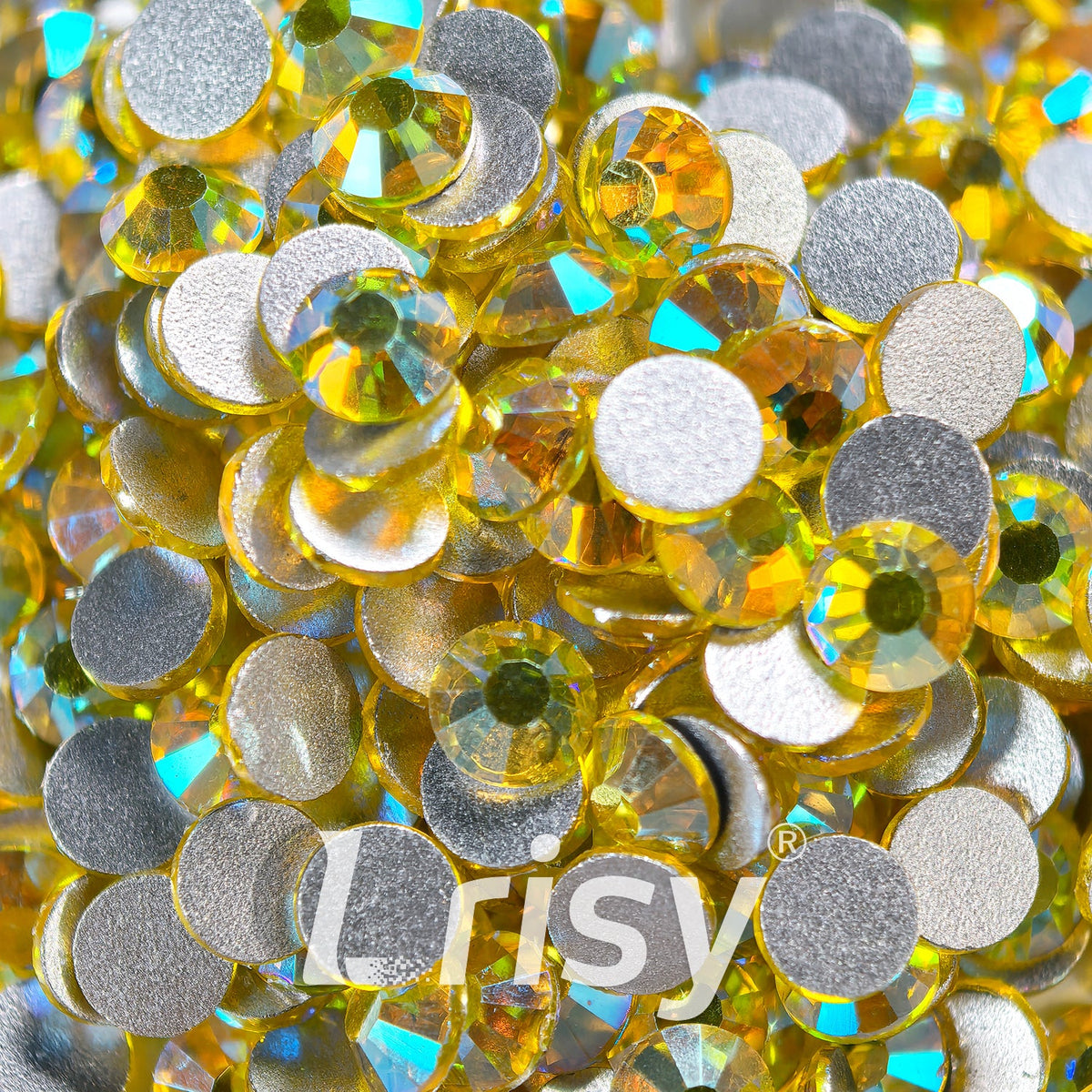
Quick Answer: Price rhinestone products by adding your material cost, labor hours multiplied by your target hourly rate, and overhead, then applying a 2.5x to 4x markup on total COGS. For a 12-ounce stitched tumbler, that works out to $45-$80 retail. For a custom denim jacket with full-back design, expect $150-$300. Value-based pricing (charging what the market will bear rather than what the materials cost) can add 30-50% on top once you build a portfolio and social proof. The single most common mistake is undervaluing labor; most beginners charge $12-$15/hour when their true break-even rate is $40-$60/hour.
The $45 Tumbler Problem
Picture the standard start. You price your first custom tumbler at $45 using a straightforward cost-plus formula: $6.50 for the tumbler blank, $4.20 for rhinestones, $1.80 for epoxy and supplies, and $12.00 in labor (one hour at $12/hour). Total COGS: $24.50, and a 1.8x markup lands the retail price at $45.
Within a month, two problems surface. Detailed stoned patterns take 90 minutes, not 60, so the true labor cost runs $18 per tumbler, not $12. Orders average one per week, not enough to sustain even a part-time business.
Raise the price to $60 and orders do not drop. Six months later, at $75 per tumbler, there is a waitlist. That progression is not unusual. It is the standard rhinestone pricing arc: start too low, discover your true costs, raise prices, and discover that customers value your work more than you do.
This guide gives you the framework to skip the under-pricing phase entirely.
Key Takeaways
- A single rhinestone costs $0.02 to $0.35 depending on size, brand (Swarovski vs generic glass vs acrylic), and whether you buy retail or wholesale in 1,000+ quantities.
- The industry-standard markup is 2.5x to 4x your total COGS (materials + labor + overhead). Established sellers with strong portfolios achieve 4x to 6x using value-based pricing.
- Labor is your biggest hidden cost. A 12-ounce tumbler takes 45 minutes to 3 hours depending on design density. Track your actual time on three projects before setting a labor rate.
- Bridal and formal wear commands the highest margins. Custom stoned bridal sashes sell for $80-$200 with material costs under $15. Wedding clients are consistently the least price-sensitive segment.
- Add a "design consultation" line item for custom work. The quoting process itself takes 15-30 minutes and should be billable.
Why Most Rhinestone Sellers Leave Money on the Table
Walk into any craft fair and you will see the same pricing mistake repeated across a dozen booths: $35 tumblers, $45 T-shirts, $80 denim jackets. The seller thinks they are being competitive. In reality, they are burning through their own labor for pocket change, because they priced their work based on what other sellers charge rather than what their actual costs are.
The problem is rooted in how hobbyists become businesses. You start by making pieces for friends and family at material cost plus a small thank-you. A friend says "you should sell these." You open an Etsy shop or an online store and set prices by looking at similar listings. You have no idea what your labor really costs because you have never tracked it.
Pricing without cost data is gambling. The framework in this guide eliminates the guesswork.
What Determines Rhinestone Cost Per Stone
Before pricing a finished piece, you need to know what your raw materials cost. Rhinestone pricing varies by four factors: size (SS number), brand, cut quality, and purchase quantity.
| Stone Size (SS) | Diameter | Retail Price (per stone) | Bulk Price (1,000+) | Typical Use |
|---|---|---|---|---|
| SS6 | 1.9mm | $0.02 | $0.008 | Nail art, fine detail work |
| SS10 | 2.8mm | $0.04 | $0.015 | Detailed lettering, small accents |
| SS16 | 4.0mm | $0.08 | $0.035 | Text, outlines, standard T-shirt designs |
| SS20 | 4.7mm | $0.12 | $0.055 | Versatile all-purpose size, beginner sweet spot |
| SS30 | 6.4mm | $0.20 | $0.10 | Bold designs, dance costumes, focal stones |
| SS40 | 8.0mm | $0.35 | $0.18 | Statement pieces, center stones on jackets |
Brand Matters. Preciosa and Swarovski stones cost 3-10x more than generic glass or acrylic rhinestones, but they deliver consistent facet quality, brighter light return, and less variation between batches. High-end clients who request Swarovski by name expect the premium and are willing to pay for it. For mid-market tumblers and T-shirts, quality glass rhinestones at $0.02-$0.05 per stone deliver a result that most customers cannot distinguish from premium crystal. Read our full glass vs acrylic rhinestones comparison for a deeper breakdown.
Cut Quality. Precision-cut stones with 12-14 facets reflect significantly more light than molded stones. The difference between AAA-grade and A-grade rhinestones can be up to 40% in light return. For pieces where sparkle matters — dance costumes, bridal wear, premium jewelry — invest in higher-grade stones. The material cost difference of $0.05 per stone is negligible in a $100+ finished piece.
Quantity Discounts. Buying 1,000+ stones per size drops your per-stone cost by 50-70% compared to retail packs. This is why buying rhinestones in bulk is the single fastest way to improve your margins. If you are producing more than 10-15 pieces per month, bulk purchasing is not optional; it is essential for profitability.
Two Pricing Models: Cost-Plus vs Value-Based
Every rhinestone business owner faces the same strategic choice: do you add up your costs and apply a markup, or do you set prices based on what the market will pay? The right answer is both, applied at different stages of your business.
Cost-Plus Pricing (The Foundation)
Cost-plus is the simplest and safest method. You add every expense involved in making one piece and multiply by your target markup. It ensures you never lose money on a single order.
Formula: (Materials + Labor + Overhead) x Markup Multiplier = Retail Price
Cost-plus in practice: A custom apparel shop owner's cost breakdown for a standard rhinestone T-shirt with a 4-inch by 4-inch single-color design is $3.50 for stones, $1.50 for the blank shirt, $0.50 for consumables (transfer tape, parchment), and $4.00 in labor at production pace. That gives a COGS of $9.50. At a 3x markup, the minimum retail price is $28.50. The owner lists it at $35, a 73% margin.
When cost-plus works best: When you are new, when you are selling standard designs with predictable costs, and when you need to establish a pricing baseline. It prevents you from accidentally selling below cost.
Value-Based Pricing (The Accelerator)
Value-based pricing sets prices according to what the market will bear. If your rhinestone work is worn at weddings, featured in music videos, or sold through boutiques that double your retail price, you can charge significantly more.
Formula: Perceived Value + Market Positioning + Scarcity = Retail Price
A value-based example: One denim jacket seller charges $180 for a custom piece that takes about 2.5 hours. Cost-plus math would put that jacket at $38 in materials, $30 in labor, and a 2.6x markup landing around $175. The seller positions the work as wearable art. Every jacket is photographed on a mannequin with professional lighting. Process videos go up on TikTok. The seller keeps a 6-week waitlist. The same jacket a cost-plus seller would list at $95 sells for $180, nearly double, because the brand signals premium quality. Rhinestone cost per stone is identical to a budget seller's.
When value-based works best: When you have a portfolio of completed work, when you have social proof (reviews, waitlists, press), and when your customers are buying for emotional reasons (weddings, performances, celebrations) rather than functional reasons.
Why Cost-Plus Alone Will Cap Your Income
There is a ceiling on cost-plus pricing that has nothing to do with the quality of your work. Cost-plus ties your price to your inputs. If you want to earn more, you must work faster or buy cheaper materials. Both strategies have hard limits.
You can only speed up so much before quality suffers. You can only cut material costs so much before your final product looks worse. Value-based pricing breaks this ceiling by tying your price to the value your customer receives, not the cost you incurred.
Consider two rhinestone artists making identical denim jackets. Artist A uses cost-plus and charges $100. Artist B builds a brand, collects 50 five-star reviews, and charges $250. The jackets are materially identical. The difference is entirely in perceived value. Ten customers buy from Artist A. Seven buy from Artist B. Artist B earns more with less work.
The transition from cost-plus to value-based is the single highest-leverage move a rhinestone business can make. It typically takes 3-6 months of consistent portfolio building, content creation, and customer experience investment.
Rhinestone Product Pricing by Category
Different product categories carry different price expectations, cost structures, and margin potential. Here is how the market breaks down in 2026.
| Category | Price Range | Material Cost | Labor Time | Typical Margin |
|---|---|---|---|---|
| T-Shirts & Apparel | $35-$75 | $4-$10 | 30 min - 2 hrs | 55-75% |
| Tumblers & Drinkware | $45-$150 | $7-$18 | 1 - 3 hrs | 50-70% |
| Custom Denim & Jackets | $120-$300+ | $30-$60 | 2 - 5 hrs | 60-80% |
| Bridal & Formal Wear | $80-$250 | $8-$25 | 1 - 4 hrs | 65-85% |
| Corporate/Event Bulk | $200-$500 per project | $50-$150 | 3 - 8 hrs | 45-60% |
| Rhinestone Decals (DIY kits) | $8-$15 | $1-$3 | 5 - 15 min | 60-75% |
T-Shirts and Apparel
A standard rhinestone T-shirt with a 12-inch design sells between $35 and $75. Simple text using SS16 stones on a quality blank falls at the low end. Full-coverage front designs with mixed stone sizes land at the high end. Custom text shirts are the most common entry point for new sellers; they are fast to produce, use minimal materials, and have predictable pricing. For a complete production walkthrough, see our guide on rhinestones for T-shirts and custom apparel.
Tumblers and Drinkware
Rhinestone tumblers remain the most popular category on Etsy and Shopify. A 12-ounce stitched tumbler runs $45-$80. A 30-ounce tumbler with a complex stoned pattern sells for $90-$150. The blank cost ranges from $5-$15, so most of the retail price is your time and artistry. Learn the application techniques in our complete rhinestone application tutorial.
Custom Denim and Jackets
This is the high-margin category that scales with brand building. A rhinestone denim jacket starts at $120 and passes $300 for full-back designs. Custom varsity jackets with name lettering and crystal numbers land between $150 and $250. These pieces take 2-5 hours of labor but command premium pricing because they are photographed, shared, and worn repeatedly. For shirt and dress techniques that apply to jackets as well, see how to rhinestone a dress or shirt.
Bridal and Formal Wear
Bridal rhinestone work — veils, sashes, shoe clips, and dress embellishments — is your highest-value category. A custom stoned bridal sash sells for $80-$200 with material costs under $15. Embellished bridal sneakers run $120-$250. Wedding clients are the least price-sensitive segment in the rhinestone market. They are buying for an emotional once-in-a-lifetime event. One satisfied bride who loves your work sends you five bridesmaids, a mother-of-the-bride, and two wedding guests. The customer acquisition cost is effectively zero.
Why Your Labor Rate Is Probably Wrong
The most common mistake in rhinestone pricing is underestimating labor. A design that looks "simple" can take 45 minutes of placing individual stones with tweezers. A full-coverage pattern on a 30-ounce tumbler can run 2-3 hours.
Here is the math that most sellers skip: divide your desired monthly income by your available billable hours. If you want to earn $4,000 per month and can work 80 billable hours, your minimum labor rate is $50 per hour. That means a 2-hour custom tumbler should include $100 in labor — not $24 at $12/hour.
Why $12/hour is not enough: Your true labor rate must cover not just the time you spend stoning, but also the time you spend on non-billable tasks: sourcing materials, cleaning your workspace, taking photos, editing listings, answering customer messages, packaging orders, and running to the post office. Most solopreneurs spend 30-40% of their working hours on non-billable tasks. If you want to pay yourself $25/hour for billable work, you need to charge $35-$40/hour to cover the unbillable gap.
Track your time on three sample projects before setting a labor rate. Time yourself from blank preparation through final seal or cure. Include design layout, stone sorting, application, sealing, and photography. Use a stopwatch app. Do not estimate. The data will surprise you.
Include these labor line items in every quote:
- Design and layout time — Tracing, measuring, positioning stones before application. 10-30 minutes per design.
- Stone selection and sorting — Pulling the right sizes and colors from inventory. 5-15 minutes.
- Application (stoning) — The main event. 30 minutes to 3+ hours depending on coverage.
- Sealing or curing — Epoxy application, heat pressing, or curing time management. 10-30 minutes active time.
- Quality inspection and photography — Checking adhesion, photographing in good light, editing images. 15-30 minutes.
Do not skip the photography step. It is billable time, and it is how you build the portfolio and social proof that lets you transition from cost-plus to value-based pricing. Every great product photo is an investment in your future pricing power.
The Hidden Costs That Eat Your Profit
Most rhinestone pricing guides stop at materials and labor. The difference between a business that breaks even and one that thrives is accounting for the hidden costs.
Shipping and Packaging
A $3.50 shipping label and $1.50 in packaging materials (box, bubble wrap, tissue paper, sticker) eats into your margin if you do not account for it. Add a handling fee of $2-$5 or build shipping into your base price with a "free shipping" threshold. For a detailed breakdown of how these costs affect your bottom line, read our guide on rhinestone cost and pricing fundamentals.
Transaction Fees
Etsy charges 6.5% transaction fee plus 3% + $0.25 payment processing. Shopify charges 2.4-2.9% + $0.30 per transaction depending on your plan. Amazon Handmade charges 15% referral fee. These fees add up fast. A $50 sale on Etsy costs you roughly $4.75 in fees alone.
Material Waste and Breakage
Budget 5-10% waste on rhinestones for breakage, lost stones, and design errors. Budget 2-5% waste on blanks and consumables. These are real costs that hit every production run.
Equipment Depreciation
Your heat press, rhinestone applicator tools, tweezers, and lighting all wear out. A $400 heat press that lasts two years and produces 500 orders costs $0.80 per order in equipment depreciation. Include it.
These hidden costs typically add 10-15% to your true COGS. If you are not accounting for them, your profit margin is 10-15% lower than you think.
Why You Need a Minimum Order Policy
Custom orders under $50 are almost always unprofitable for a solo seller. A single custom T-shirt takes the same quoting time, same design time, and same packaging time as an order of ten shirts. The setup overhead is fixed regardless of order size.
Set a minimum order value of $50-$75 for custom rhinestone work. If a customer wants a single $35 T-shirt, offer them your standard catalog items or suggest adding a coordinating piece — a matching hair clip, a rhinestone keychain, or a care kit — to reach the minimum.
One wholesale supplier shipping over 50,000 stones per month sees the pattern constantly: the sellers who thrive are the ones who say no to small orders, while the ones who struggle say yes to everything and then wonder why they are exhausted with no profit.
For guidance on finding the best stone prices to improve your margins, see our wholesale rhinestone supplier guide.
How to Raise Prices Without Losing Customers
You cannot raise prices overnight without losing trust. Use these three strategies to increase your rates gradually while keeping your customer base intact.
1. Grandfather existing customers. Send a message: "I am updating my rhinestone pricing guide starting next month. Your next order is still at the old rate." This turns a price increase into a customer appreciation gesture. Most customers appreciate the heads-up and the extended rate. Roughly 80% of grandfathered customers return for at least one more order at the new price.
2. Introduce tiered pricing. A "Basic" option uses smaller SS16 stones and a simpler layout. A "Premium" option uses mixed stone sizes, a custom layout, and a hand-sealed finish. Most customers self-select upward when they see the difference. When one custom apparel shop owner shifted from flat-rate to tiered pricing, average order value climbed from $42 to $67 within 90 days.
3. Add services instead of raising prices. Offer rush delivery, gift wrapping, or a rhinestone care kit for $15-$25. This strategy increases your average order value without triggering the price resistance that comes with raising base prices. Customers perceive add-ons as optional upgrades, not mandatory increases.
Common Rhinestone Pricing Mistakes to Avoid
Mistake 1: Pricing by the Stone Instead of by the Piece
A customer who asks "how much per stone" is comparison shopping against wholesale rhinestone suppliers. Explain that your price is for the finished, sealed, quality-inspected piece. Most reasonable customers understand immediately. If they push for a per-stone rate, they are not your target customer; they want wholesale materials, not custom craftsmanship.
Mistake 2: Charging the Same for Full-Coverage and Partial Designs
A tumbler with a dense 360-degree pattern uses 3x more stones and takes 2x longer than a single name on one side. Price by design complexity, not by product category alone. Create a design complexity scale (Simple, Medium, Complex, Full-Coverage) with corresponding price multipliers.
Mistake 3: Forgetting Seasonal Demand
Rhinestone demand peaks from September through December (holiday gifting) and March through June (prom, dance competitions, weddings). Raise prices 10-20% during peak season. Lower them slightly during slow months to fill your pipeline. This is standard practice in every retail category and rhinestones are no exception.
Mistake 4: No Rush Fee for Tight Deadlines
Custom orders needed within one week should carry a 25-50% rush fee. Corporate and event clients typically have larger budgets and faster timelines than individual buyers. Charging a rush fee is expected and accepted in this industry. For corporate clients, quote a project rate of $200-$500 for branded rhinestone merchandise covering 20-50 pieces.
Frequently Asked Questions
How much do rhinestones cost per stone for small businesses?
Retail pricing for individual rhinestones ranges from $0.02 for SS6 glass stones up to $0.35 for SS40 Swarovski crystals. Small businesses buying in bulk lots of 500-1,000 stones typically pay $0.01 to $0.18 per stone depending on size and brand. For a full breakdown of costs at every volume tier, see our rhinestone cost and pricing guide.
What is the standard markup for rhinestone products?
The standard markup in the rhinestone crafting industry is 2.5x to 4x your total cost of goods sold. Beginners should start at 2.5x. Established sellers with strong portfolios and waitlists often charge 4x to 6x using value-based pricing.
How much should I charge for a rhinestone tumbler?
A custom 12-ounce stitched tumbler should sell for $45 to $80. A 30-ounce tumbler with complex or full-coverage stoned design ranges from $90 to $150. These prices assume mid-range glass rhinestones and domestic production. Add 20-30% for Swarovski or Preciosa stones.
Should I charge by the stone or by the finished piece?
Always charge by the finished piece, never by the stone. Pricing per stone invites customers to compare your rates against wholesale suppliers. A piece-based price communicates the value of your labor, artistry, and quality control.
How do I price rhinestone services for corporate or event clients?
Charge a project rate of $200 to $500 for branded rhinestone merchandise covering 20-50 pieces of the same design. Include a rush fee of 25-50% for orders needed within two weeks. Corporate clients rarely negotiate; they value speed and reliability over price.
What is the profit margin on rhinestone crafts?
Profit margins typically range from 45% to 70% for experienced sellers who buy materials in bulk and optimize their workflow. Beginners often see 20-40% margins until they dial in their labor estimates and material sourcing. The fastest way to improve margins is switching from retail to wholesale stone purchasing.
How do I price rhinestone services when providing just the labor (customer supplies the item)?
Charge by the hour or by the design complexity tier. Hourly rates for rhinestone labor typically run $30-$60 depending on your skill level and local market. A flat "application fee" of $25-$75 per design is common for customer-supplied items. Include insurance against damage to the customer's item in your terms.
Should I offer discounts for bulk orders?
Yes, but structure them carefully. Offer 10-15% off for 5-10 identical pieces and 15-25% off for 12+ identical pieces. Keep the discount smaller than your margin cushion. A bulk discount should reduce your per-unit profit by no more than 30% of your margin.
Reading Next
- Rhinestone Cost & Pricing: How Much Do Rhinestones Really Cost? — A deep dive into per-stone costs across all sizes, brands, and quality grades with volume discount tables.
- Rhinestone Bulk Buying Guide — Everything you need to know about MOQs, gross lots, and negotiating wholesale pricing.
- Rhinestone Buying Guide for Beginners — If you are new to rhinestones entirely, start here for the foundational knowledge.
- How to Choose a Wholesale Rhinestone Supplier — A framework for vetting suppliers, comparing pricing tiers, and avoiding common sourcing pitfalls.
- AAA vs AA vs A Rhinestone Quality Guide — Understand the grading system so you buy the right quality for every price tier.
Your Next Step: Build Your Rhinestone Price List Today
Open a spreadsheet. List every product you make or plan to make. Fill in your material costs from your actual supplier invoices — not estimates. Write in your estimated labor hours based on timed test projects. Set your target hourly rate by dividing your desired monthly income by your available billable hours. Apply a 2.5x markup as your starting price.
Take that list and test it on your next three orders. Track every minute you spend. Adjust your labor estimates based on real data, not guesses. Within two weeks you will have a rhinestone pricing guide that reflects your actual business — not a generic formula copied from a craft forum.
One boundary to keep in mind: if you only sell through boutiques or wholesale accounts, the markup math above is the wrong tool. Those buyers apply their own retail markup, so price to what their channel can bear and leave the cost-plus spreadsheet for direct-to-customer work.
The difference between a hobbyist who sells occasionally and a thriving rhinestone business is not talent. It is knowing your numbers. Start your price list now.
Need wholesale rhinestones at factory-direct pricing? Browse LRISY's full catalog including wholesale bulk rhinestones, flat back rhinestones, pointed back rhinestones, hotfix rhinestones, and colors AB rhinestones with fast international shipping.
Ready to buy wholesale rhinestones? LRISY offers factory-direct pricing on wholesale bulk rhinestones with fast international shipping. Browse our flat back, pointed back, hotfix, and colors AB collections for all your needs.

Leave a comment
All comments are moderated before being published.
This site is protected by hCaptcha and the hCaptcha Privacy Policy and Terms of Service apply.