
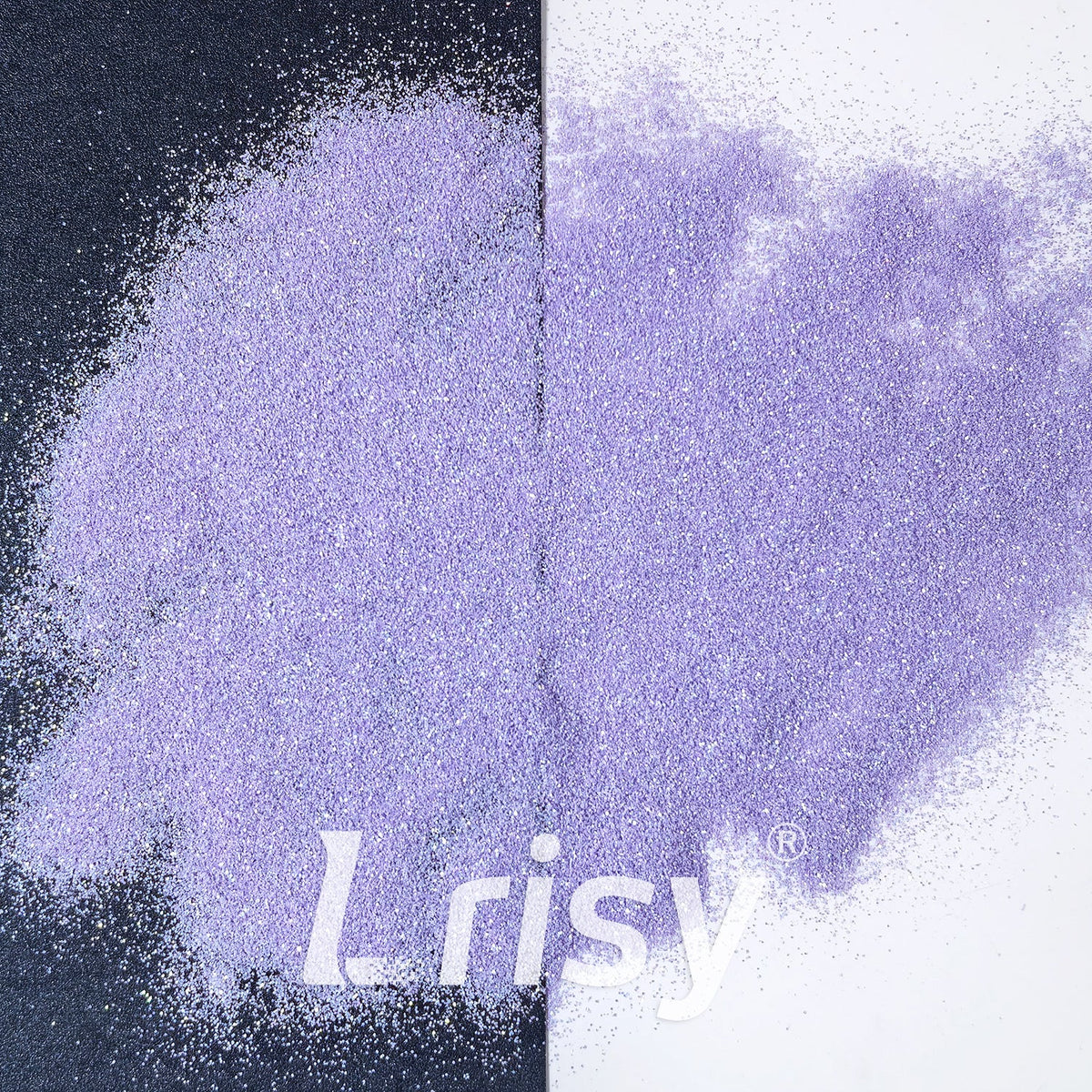
 Quick Answer: Purple glitter fashion and materials hold the two best sub-niches in the purple cluster: purple glitter edible (320/mo, difficulty 15) and purple sparkle yarn (210/mo, difficulty 13). For DIY glitter footwear, use fine-to-medium cosmetic-grade glitter (0.015"–0.040") with a strong adhesive, sealed with a clear top coat and cured 24–48 hours. For edible purple glitter, food-grade certification is non-negotiable: never substitute cosmetic-grade. Purple glitter shoes (260/mo), heels (260/mo), and boots (170/mo) round out a steady fashion lane, while jumpsuits (390/mo) drive ready-to-wear demand. This 2026 guide covers the footwear DIY, apparel rules, food-grade certifications, and the yarn and rose craft lanes.
A bakery can turn "cosmic" into a best-selling spring theme the right way: food-grade purple edible glitter tops lavender-luster cupcakes that fly out the door. The homework behind that demand is specific: FDA food-grade, mica-based, and heat-stable glitter survives the bake and reads as a soft pearlescent shimmer on the frosting. The bakery that skips the homework and reaches for a "non-toxic" craft glitter on the same style of cupcake is where the story turns, because on food, "non-toxic" is not a food label: a sick customer or a health inspector visit is how a food-safety reputation ends.
On the craft side, one strong video opens the second lane the same way: a purple sparkle yarn shawl on screen turns a yarn dyer's quietly stocked violet sparkle skeins into the product everyone asks for. Purple's low competition means the sub-niches reward early movers: the food-grade niche protects your reputation, and the material niches (yarn, roses) are still wide open with almost no comprehensive content.
This guide covers the purple glitter fashion market, the DIY techniques that actually stay on, and the food-grade rules for the edible sub-niche, the two lanes where purple's easiest wins live.
Key Takeaways
- Purple glitter edible (320/mo, difficulty 15) is a top sub-niche: food-grade opportunity with low competition and the highest safety stakes.
- Purple sparkle yarn (210/mo, difficulty 13) is the lowest-difficulty material niche in the whole purple cluster.
- Purple glitter shoes, heels, and boots drive a steady fashion lane; the DIY technique mirrors other colors: clean, adhesive, glitter, seal.
- Edible purple glitter requires explicit food-grade certification: FDA food-safe or EU food-grade, with a full ingredient list. "Non-toxic" is not a food label.
- For DIY footwear, use fine-to-medium cosmetic-grade glitter (0.015"–0.040") with a strong adhesive and a clear top coat; two seal coats roughly double wear time.
- Purple + silver and purple + gold are the fashion pairings: cosmic for silver, royal for gold.
"Why Are Purple's Sub-Niches So Easy to Win?" — The Competition Gap
Purple is the most under-served color in the glitter market. Its median difficulty is the lowest of all eight colors (13), and the sub-niches — edible, yarn, roses — have almost no comprehensive content.
The entry advantage is real: the edible and yarn niches are still wide open, and a single comprehensive guide to purple edible glitter or purple sparkle yarn can capture the entire demand. These are the fastest paths to rankings: the edible keyword sits at difficulty 15 and yarn at difficulty 13, both well below the cluster average.
The two business models: (1) Food-decor content targeting edible purple glitter shoppers, a bakery supplier, a cake-decor brand, or a food blogger. (2) Craft-material content targeting sparkle yarn and rose makers, a yarn dyer, a craft wholesaler, or a reseller. Both have low competition and steady demand, and both reward content that connects the transactional "buy purple glitter" intent with the informational "how to use it" intent.
Purple Glitter Footwear: Shoes, Heels & Boots
Purple glitter footwear is a steady fashion lane: shoes (260/mo), heels (260/mo), and boots (170/mo) together form a transactional block that most nails-only glitter blogs ignore. The DIY technique mirrors other colors, but purple has one extra decision: which shade reads right on the shoe.
The Technique
- Prep: Clean the shoe surface with rubbing alcohol; tape off parts to protect. Prep decides the bond: adhesion is mechanical, so the glue needs a clean, dry surface for microscopic grip. Oily leather or dusty fabric cuts bond strength by half.
- Adhesive: Apply a thin, even layer of strong adhesive (fabric glue or rubber cement) in sections, not all at once.
- Glitter: Press fine-to-medium purple glitter (0.015"-0.040") onto the wet adhesive. Work in sections so the adhesive doesn't dry before you sprinkle.
- Dry: Let it cure 24 hours.
- Seal: Apply a clear top coat and cure 24-48 hours before wearing. The top coat is the durability factor: it takes the wear, and glitter without a sealant has a countdown, not a lifespan.
LRISY's glitter shoe tutorial covers the technique in depth. For the purple glitter itself, fine-to-medium from the purple glitter collection reads best on footwear.
Which Finish Reads Best on Shoes
| Finish | Read on Footwear | Best For |
|---|---|---|
| Violet | Creative, bold | Sneakers, statement shoes |
| Lavender | Soft, romantic | Heels, bridal-adjacent |
| Grape | Rich, dramatic | Boots, evening |
| Iridescent Purple | Cosmic, premium | Statement heels, festivals |
The shade should match the shoe silhouette: a chunky sneaker wants bold violet, a heel wants soft lavender, a knee-high boot wants rich grape, and a festival platform wants iridescent. The same DIY technique produces three different products depending on the shade — matching them is the difference between "custom" and "craft-fail."
Purple Glitter Fashion: Dresses, Jumpsuits & Accessories
Purple glitter jumpsuits (390/mo) and accessories drive ready-to-wear demand. This lane is the one most glitter blogs miss entirely, which is why the keywords sit at difficulty 25–44 with weak competition.
DIY Glitter on Apparel
Apparel glitter needs a different adhesive than shoes — it must survive washing. A shoe sits still on your foot; a jumpsuit or dress flexes with every step, so the adhesive has to stay flexible or it snaps.
- Fabric glue or heat-activated bonding, not craft glue, which cracks when fabric flexes.
- Fine glitter (0.004"-0.015"): chunky glitter sheds and catches on fabric fibers.
- Seal with a fabric-compatible sealer or heat-set the adhesive.
- Wash sparingly and inside-out: glittered apparel is delicate, and washing it inside-out spares the glitter surface from the machine's abrasion.
The Jumpsuit Opportunity
Purple glitter jumpsuits (390/mo) is the highest-volume fashion keyword after footwear. It's a product roundup keyword as much as a DIY keyword — two intents landing on one query. A guide that covers both "buy a purple glitter jumpsuit" and "make one" captures the whole intent pool.
Purple Glitter Edible (Difficulty 15): The Food-Grade Niche
Purple glitter edible (320/mo) is one of the two best sub-niches in the purple cluster. Purple edible glitter for cakes, cookies, and drinks is a growing food-decor category, and the stakes are higher than any other glitter lane because a mistake ends up in someone's mouth.
The Certification Rule
Edible purple glitter must carry explicit food-grade certification (FDA food-safe or EU food-grade). It's made from food-grade ingredients like mica or gum arabic — fundamentally different from cosmetic-grade. Never substitute cosmetic-grade glitter for edible. Cosmetic glitter is "external use only" by regulation; using it on food is a health violation and a liability.
How to Use
- Dry-brush onto fondant or icing for a shimmering finish.
- Sprinkle over finished desserts for a sparkling top coat.
- Add a pinch to drinks for a shimmering swirl effect.
- Mix with vodka or lemon extract to make edible metallic paint.
Cake & Drink Application Techniques
Where you put the glitter changes how much you need and how it behaves. These are the four techniques that work reliably in a bakery:
- Dry-brush onto fondant or gum paste: Use a clean, dry brush to press fine purple edible glitter into the surface. Less is more: a light buffing reads as luster, while a heavy layer reads as craft glitter.
- Dust over buttercream: Let the icing crust for a few minutes first, then dust from a shaker. Wet icing drinks the glitter and dulls the shimmer; a crusted surface holds the flakes on top.
- Edible metallic paint: Mix edible glitter with vodka or lemon extract to a paste and paint it onto sugar decorations. The alcohol evaporates fast and leaves the sparkle behind.
- Drinks and cocktails: Add a pinch to the glass or shake it into the liquid. Luster dusts swirl; larger edible flakes float — pick the effect you want.
For hot drinks and baked goods, confirm the product's label says heat-stable before you commit — some edible glitters are approved for cold-use decoration only.
Caution: do not mix edible glitter with water; it clumps. Use alcohol-based or oil-based liquids instead.
Edible Purple Glitter: Safety Certifications, Explained
Food-grade glitter is not a marketing claim; it's a regulatory category with specific ingredients, testing, and labeling. Before you buy edible purple glitter for a bakery, a food brand, or even a single birthday cake, you need to know what the certification actually means.
FDA vs EU Food-Grade Standards
In the United States, edible glitter sold for food use is regulated by the FDA as a food additive; a compliant product states that it is FDA-approved or food-grade and lists its ingredients. In the European Union, the framework is stricter and use-specific: an additive must be authorized for its intended purpose under EU food law, and approval in one category (say, cake decoration) does not automatically extend to another (say, drinks). If you sell across both markets, check the label against the destination market, not your home one.
Mica vs PET: What Edible Glitter Is Made Of
This is the single most important material distinction in edible glitter. Mica-based glitter is made from natural mineral flakes coated with a food-grade colorant; it's safe to eat, it's the traditional choice, and it reads as a soft, pearlescent shimmer. PET glitter is plastic (polyethylene terephthalate) cut into flakes. Some PET glitter is marketed as "non-toxic," but non-toxic is not the same as food-grade — PET is not digestible and is not approved for direct food use in most markets. If a product claims to be edible and contains PET, treat the label as suspect and verify the certification before using it.
Kosher, Halal, and Vegan Edible Glitter
Religious and dietary certifications matter to a growing share of bakery customers. Kosher and halal certification covers both the ingredients and the production line, a glitter made with alcohol-based colorants or produced on shared equipment may lose certification. Vegan is usually straightforward for mica-based glitter, but watch for shellac or carmine-derived colorants, which are animal-based. If your bakery sells to these customers, stock certified lines and keep the certificates on file.
The E171 Titanium Dioxide Ban
E171 is titanium dioxide, a whitener historically used in some edible glitters and food coatings. The EU banned E171 as a food additive over genotoxicity concerns, and the ban has reshaped the market — many suppliers quietly reformulated while others kept selling old stock. For any edible purple glitter that lists titanium dioxide, ask for the destination-country compliance status before ordering. The cosmetic glitter regulations guide breaks down the FDA vs REACH compliance differences that also apply to food-adjacent products.
Edible vs Non-Edible Purple Glitter: How to Tell Them Apart
This is the safety question that matters most, and the answer is not always on the front of the label. Here's how to tell the three glitter categories apart at a glance:
| Category | What It's Made Of | Label to Look For | Food Use? |
|---|---|---|---|
| Edible (food-grade) | Mica, gum arabic, sugar, food-grade colorants | "Food-grade," "edible," FDA/EU authorization, full ingredient list | Yes, the only safe choice |
| Cosmetic | Polyester/PET flakes or mica in cosmetic bases | "Cosmetic-grade," "for external use only" | No — never in or on food |
| Craft | PVC, Mylar, or metalized film | "Non-toxic" (craft use only), no food claims | No, "non-toxic" is not a food claim |
Three red flags that mean stop: a product labeled "non-toxic" but not "food-grade" (non-toxic is a craft benchmark, not a food approval), a product with no ingredient list at all, and a product that uses PET plastic while claiming edibility. When in doubt, leave it out: a shimmering cake is not worth a customer's health, and one bad incident ends a bakery's food-safe reputation. If you're a producer, keep certification documents ready to show buyers, and the cosmetic glitter regulations guide covers the compliance basics that apply to food-adjacent glitters.
Purple Sparkle Yarn (Difficulty 13): The Craft-Material Niche
Purple sparkle yarn (210/mo) is the lowest-difficulty material niche in the purple cluster. Glitter yarn for knitting and crochet is a craft staple, and one with almost no comprehensive content.
What it is: Yarn with glitter filaments or a glitter finish, used for scarves, shawls, and festive garments. The purple shade adds a creative, slightly mystical read that's popular for evening and festival knits.
The niche is winnable because difficulty 13 is the lowest score in the entire purple cluster and the demand is steady at 210 monthly searches. A single comprehensive guide covering purple sparkle yarn types, project ideas, and where to buy captures the whole intent pool: the niche has no dominant competitor today.
The material note for yarn sellers: glitter yarn is a finished product, not loose glitter, but the two lanes connect. A yarn dyer who stocks violet sparkle skeins sells a finished good; a glitter wholesaler sells the raw material to the dyer. Both markets sit under the same "purple sparkle" umbrella, and both pay off for whoever moves early.
Purple Glitter Roses & Crafts
Purple glitter roses (260/mo) serve the craft lane, the same DIY as gold and red roses, using fine purple glitter on preserved roses with adhesive and sealant. LRISY's glitter powder range has the fine purple particles the project needs.
For purple glitter in resin, use heat-rated purple (180°C+). The shaped chunky glitter range covers purple hexagons and stars for geode work.
Quantities matter for craft projects: a fine purple 50 g pouch covers roughly ten preserved roses, while a chunky pouch goes further on geode surfaces because the flakes are spread for effect rather than packed. If you're testing purple shades for a craft line before committing to full bags, a glitter sample set lets you compare violet, lavender, grape, and iridescent in hand.
Purple Glitter Color Combinations
- Purple + Silver: The cosmic classic, best for festivals and creative looks. The silver glitter collection covers the accent.
- Purple + Gold: Royal luxury, best for evening and premium pieces. See gold glitter. The pairing sells: plum's red-brown warmth echoes gold's glow, so it reads as intentional and expensive.
- Purple + White: Soft and romantic for bridal-leaning projects.
For festival and stage looks, iridescent purple flakes in LRISY's iridescent glitter collection shift between violet, pink, and blue as they catch light. They pair especially well with silver and read cosmic without any extra color work.
Care & Wear: Making Glitter Fashion Last
Glittered footwear and apparel are delicate by design: the sparkle surface is the whole product, and it needs the right care to survive more than one season.
Wearing glittered shoes
- Rotate, don't wear daily. Two pairs worn alternately outlast one pair worn every day, because the adhesive gets recovery time.
- Avoid rain and puddles. Water under the top coat lifts the glitter film. If they get wet, pat dry and re-seal before wearing again.
- Re-seal every 3-4 months. A fresh clear top coat restores the wear layer and roughly doubles the lifespan.
Washing glittered apparel
- Hand wash or delicate cycle, inside-out, cold. Inside-out keeps the glitter surface away from the drum's abrasion.
- Never tumble dry. Heat re-softens the adhesive and the tumbling action pulls flakes off.
- Iron on the reverse with a pressing cloth, or skip ironing entirely: direct heat melts the glitter film.
Care advice converts buyers because the #1 reason glittered products get returned is "the glitter fell off." A care note that teaches the buyer how to re-seal and wash correctly turns a refund into a repeat customer.
Buying Purple Glitter for Fashion & Food Businesses
If you sell glittered products, baked goods, or craft materials, the sourcing rules differ by market.
What to Stock
- Fine-to-medium violet, the fashion and craft workhorse.
- Food-grade lavender/edible purple, for the bakery and food-decor market.
- Iridescent purple, the premium cosmic finish for statement pieces.
- Silver and gold accents, the pairing colors that drive up-sells.
Why the split matters: fashion glitter and food glitter are different products with different certification chains; you cannot stock one and claim the other. Keeping the food-grade line separate and certified is the difference between a sellable bakery product and a liability. For factory-direct pricing and MOQs, the wholesale glitter buying guide and the supplier vetting guide cover the full procurement process, and the bulk glitter pricing guide shows how unit costs scale across flake sizes and MOQs.
FAQ: Purple Glitter Fashion & Edible
What purple glitter is best for shoes?
Fine-to-medium violet or lavender glitter (0.015"-0.040%). Violet reads bold and creative; lavender reads soft and romantic. Seal with a clear top coat for wearability.
Is purple edible glitter food-safe?
Only if it carries explicit food-grade certification. Purple edible glitter for cakes and drinks must be food-grade — cosmetic-grade glitter is never a substitute.
What is purple sparkle yarn?
Yarn with glitter filaments or a glitter finish, used for knitting and crochet. Purple sparkle yarn (210/mo, difficulty 13) is the lowest-difficulty material niche in the purple cluster.
How do I use purple edible glitter?
Dry-brush onto fondant or icing, sprinkle over finished desserts, or add a pinch to drinks. Mix with alcohol-based liquids, not water: water makes it clump.
Is mica-based edible purple glitter safe to eat?
Yes — mica coated with a food-grade colorant is the traditional safe edible glitter, subject to FDA or EU authorization for its intended use. Avoid PET-based glitter for food, and check the ingredient list on every batch.
How can I tell if purple glitter is food-grade?
Look for an explicit "food-grade" or "edible" claim, a full ingredient list, and a certifying authority (FDA approval or EU authorization). "Non-toxic" is a craft label, not a food label, and a missing ingredient list is a red flag.
Can edible purple glitter go in hot drinks or baked goods?
Only if the label says heat-stable. Some edible glitters are approved for cold-use decoration only — confirm before adding them to baked goods or hot beverages.
How long does DIY purple glitter on shoes last?
With proper sealing and curing, 6-12 months of regular wear. The top coat is the durability factor.
Where can I buy purple glitter for fashion and food?
Buy from a factory-direct manufacturer that publishes specs and certifications. LRISY's purple glitter collection carries the fashion finishes, and certified food-grade purple is available from specialty food suppliers.
📖 Reading Next
Continue exploring the LRISY glitter library:
- How to Glitterize Your Shoes, the full DIY footwear walkthrough.
- How Much Glitter Do I Need?, per-project quantity calculations for footwear and crafts.
- Bulk Glitter for Festival Vendors, stocking and pricing for event sellers.
- Cosmetic Glitter Regulations, FDA vs REACH compliance for glitter products.
- Bulk Glitter Buying Guide, sizes, finishes, and MOQ math at wholesale scale.
Conclusion
Purple glitter's fashion and material lanes hold the easiest wins in the entire color cluster: edible (difficulty 15) and sparkle yarn (difficulty 13) are wide-open niches with steady demand. For fashion, the DIY technique mirrors other colors: clean, adhesive, glitter, seal, with the shade matched to the silhouette. For food, food-grade certification is the whole game: mica-based, heat-stable, fully labeled, and never substituted with cosmetic-grade. Match the market to the material, and purple is where a new business can actually win.
Why it matters: the food-grade lane protects your reputation and your customers' health; the material lanes reward early movers before a competitor publishes the comprehensive guide. Both are open today, and both compound quickly once you own the keyword.
Read the food rule as conditional, not universal: if your catalog never puts glitter near food, treat the certification sections as background and follow the fashion, craft, and sourcing guidance instead. The moment an edible product enters your line, that pass expires and the food-grade rules bind again.
Ready to stock purple glitter? Browse LRISY's purple glitter collection and the glitter powder range: factory-direct pricing for DIY makers, crafters, and small businesses. Start with a sample set to compare shades in hand.


Leave a comment
All comments are moderated before being published.
This site is protected by hCaptcha and the hCaptcha Privacy Policy and Terms of Service apply.