
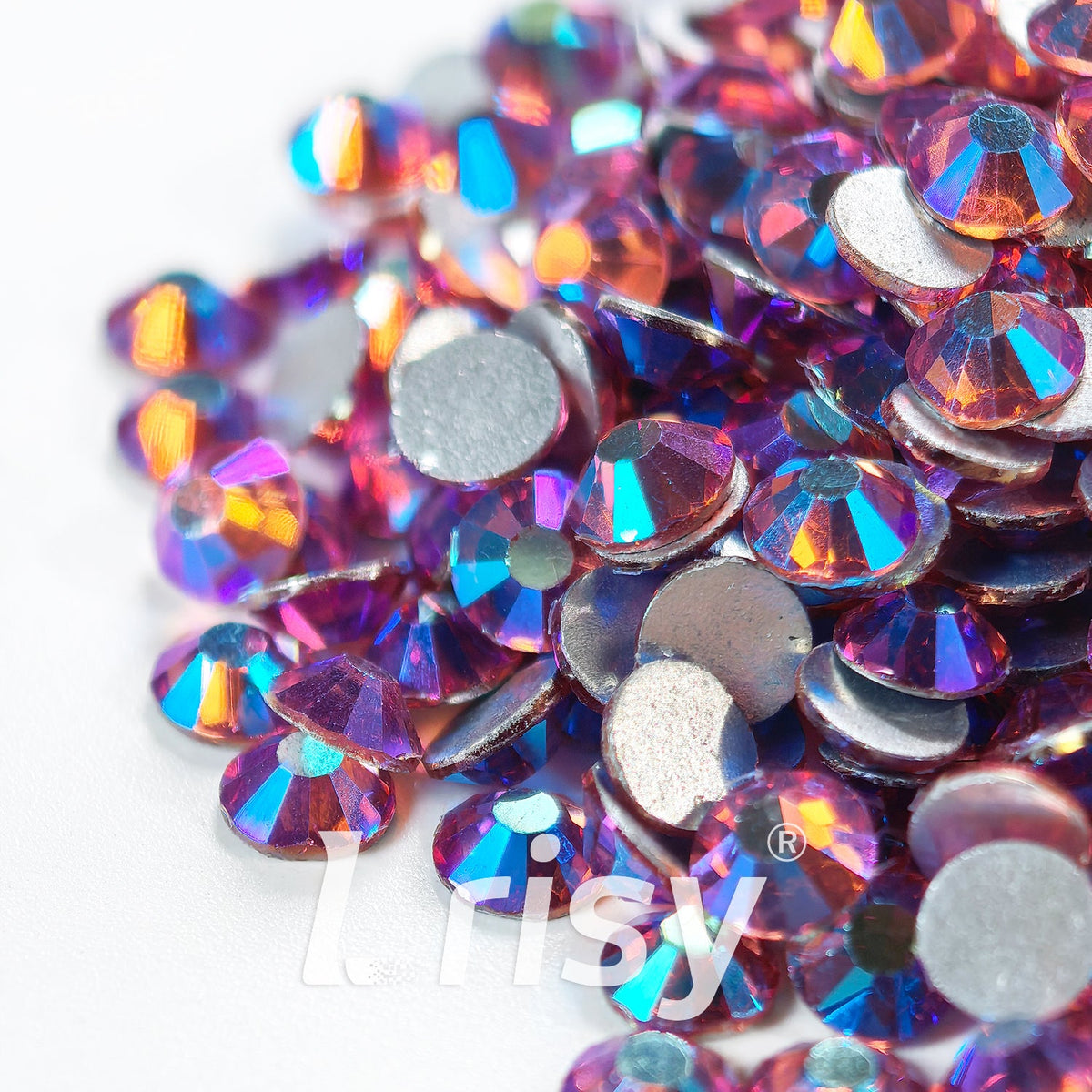

Quick Answer: If you are buying your first rhinestone applicator, start with a 50–75 watt hotfix applicator wand with interchangeable tips and adjustable temperature control. It handles 90% of beginner projects, costs $35–$50, and will last 2–3 years of hobby use. Pair it with glass hotfix stones (not acrylic), a wax-tip rhinestone picker, and a roll of transfer paper for a complete $75–$95 starter setup. Skip multi-tool kits that bundle low-quality stones and single-size tips; they look like deals but end up in a closet after one project.
The $17 Wand That Cost $200 in Ruined Materials
A bridal accessories maker needed a rhinestone applicator for crystal-embellished veils and hairpieces. The first tool she found was a no-name hotfix wand on an online marketplace for $17, free shipping, with a 4.5-star listing. She clicked Buy.
The first ten veils went fine. By order twelve, the tip had discolored. By order fifteen, it was sticking to the stones, pulling them off alignment. By order eighteen, the wand had ruined four veils — melted glue bleeding through the fabric, stones falling off before they even reached the customer. Each veil cost roughly $35 in materials alone. The $17 wand had caused $140 in material losses, plus hours of rework.
She replaced it with a $42 wand with a ceramic-coated tip and a temperature dial. That wand is still in daily use two years later. The cheap tool cost more in ruined materials than the upgrade did, and she tells every maker she meets not to learn that lesson the hard way.
The rhinestone tool market is crowded with wands that look identical but perform nothing alike. The difference between a tool that frustrates you and one that lasts years is not the brand name; it is the tip material, the temperature control, and the wattage. This guide covers what to buy, what to skip, and why the cheapest option is almost never the most affordable one.
Why Your First Bedazzling Project Probably Failed (And Whose Fault It Really Is)
If your first rhinestone project ended with crooked stones, burnt fabric, or glue that refused to stick, you are not alone. The problem is almost never your skill. It is almost always a mismatch between your tool and your material.
Here is what typically goes wrong:
- The wand overheats. Cheap hotfix applicators below $25 lack thermostatic control. They climb past the glue’s activation temperature (typically 120–140°C / 248–284°F) and start boiling the adhesive. Boiled glue forms a weak, brittle bond that fails after one wash or a light tug.
- The tip is the wrong size. A 30ss tip on a 16ss stone means the heat misses the edges. The center of the stone gets scorched while the perimeter never bonds to the fabric.
- The stone quality is mismatched to the tool. High-wattage professional wands generate enough heat to cloud or melt cheap acrylic rhinestones. Budget wands lack the heat consistency to properly bond premium glass or crystal stones.
Why this matters: A $35 hotfix wand with temperature control and ceramic tip eliminates all three failure modes. The thermostat keeps the glue zone within its working range. The ceramic tip distributes heat evenly across the stone face. The interchangeable tips let you match the heat footprint to the stone size. You do not need a $200 professional station; you need a tool that was actually designed for the job, not a factory reject sold at a loss.
If you are still using a wand without temperature adjustment, replace it before your next project. The glue on hotfix stones costs more to waste than the upgrade does.
Hotfix vs. Non-Hotfix: Pick Wrong and You Double Your Work
The single biggest decision in rhinestone crafting is whether to use hotfix stones (heat-activated glue on the back) or non-hotfix stones (separate adhesive applied by you). Each method has a clear use case, and picking the wrong one for your project doubles the labor, ruins materials, or both.
When Hotfix Wins
Hotfix rhinestones have a heat-reactive glue pre-applied to the flat back. A rhinestone applicator wand or heat press melts this glue in 3–5 seconds and presses the stone onto the surface in one motion. No separate adhesive needed.
- Fabric projects (t-shirts, hats, denim, dance costumes)
- Bridal wear and formal accessories
- Any project with 50+ stones where speed matters
- Thin or delicate fabrics where excess glue would bleed through
When Non-Hotfix Wins
Non-hotfix stones require you to apply glue or epoxy separately before placing each stone. It is slower but gives you more control and a stronger bond for challenging surfaces.
- Ceramics, glass, and metal surfaces that cannot tolerate heat
- Phone cases, tumblers, and hard plastic items
- Shoes and accessories that flex repeatedly
- Items exposed to water, frequent washing, or outdoor conditions
Using hotfix stones on a ceramic mug means the glue will not activate properly because the ceramic conducts heat away too fast. Using non-hotfix stones with E6000 on a dance costume means the glue stays flexible but takes 24–72 hours to fully cure, and the costume might be needed tomorrow. Match the method to the surface, not to what is cheapest on the shelf.
Pro tip: Many experienced crafters keep both a hotfix applicator wand and a small glue station with E6000 or GemTac adhesive. The two setups cover every possible project without forcing compromises on bond strength or heat risk.
Compatibility Table: Which Stone + Surface + Method Works
| Surface Type | Stone Type | Application Method | Adhesive | Washability |
|---|---|---|---|---|
| Cotton / Polyester (t-shirts, hats) | Hotfix glass | Hotfix wand or heat press | Pre-applied (hotfix) | Machine wash gentle, turn inside out |
| Denim / Jackets | Hotfix glass or crystal | Hotfix wand (50–75W) + firm pressure | Pre-applied (hotfix) | Hand wash recommended |
| Bridal silk / Chiffon | Hotfix crystal (small 10ss–16ss) | Hotfix wand with low-temp setting | Pre-applied (hotfix) | Dry clean only |
| Dance costumes / Lycra | Hotfix glass or non-hotfix with stabilizer | Hotfix wand + stabilizer backing | Pre-applied or GemTac | Hand wash, lay flat |
| Leather / Faux leather | Non-hotfix flat back | Individual glue application | E6000 or GemTac | Spot clean only |
| Ceramics / Mugs | Non-hotfix flat back | Individual glue + 24hr cure | E6000 or two-part epoxy | Hand wash, not dishwasher safe |
| Phone cases / Hard plastic | Non-hotfix flat back | Individual glue + 24hr cure | E6000 or GemTac | Wipe clean |
| Canvas sneakers / Shoes | Hotfix glass with stabilizer | Hotfix wand + stabilizer inside | Pre-applied (hotfix) | Spot clean, avoid soaking |
| Glass / Mirrors | Non-hotfix flat back | Individual glue application | Two-part epoxy | Wipe clean |
| Wood / Furniture | Non-hotfix flat back or hotfix on low temp | Test heat tolerance first; glue if needed | E6000 or hotfix | Dust gently |
This table covers 90% of common rhinestone projects. If your material is not listed, test a single stone on an inconspicuous area before committing to the full design.
Why Cheap Acrylic Rhinestones Are the Most Expensive Mistake
The difference between a $10 bag of acrylic rhinestones and a $30 bag of glass hotfix stones does not show up on the shelf. It shows up after the first wash.
Acrylic rhinestones are made from molded plastic. They are lightweight, inexpensive, and look acceptable in the package. Here is what happens when you use them:
- Heat sensitivity: Acrylic softens and can cloud or melt at the same temperatures that glass rhinestones handle easily. A quality hotfix rhinestone tool running at 130°C can craze the surface of cheap acrylic stones, turning them from sparkly to frosty in seconds.
- Wear degradation: Acrylic stones lose their facet sharpness after 10–20 wears. The surface scratches, the silver backing flakes off, and the stone becomes a dull plastic button instead of a sparkly embellishment.
- Adhesion failure: Acrylic hotfix stones use a different glue formulation than glass stones. The glue melts at a lower temperature and re-solidifies into a weaker bond. After one machine wash, 30–50% of acrylic hotfix stones typically fall off.
If you are selling the finished product or giving it as a gift, acrylic stones create a disappointment cycle: the project looks great on day one, looks tired by week three, and loses stones by month two. Your customer does not blame the stones; they blame the maker. Glass or crystal rhinestones retain their sparkle and adhesion for years, which is why glass rhinestones are the default choice for professional crafters and small businesses.
The only scenario where acrylic stones make sense is children’s craft projects that will be discarded after a few uses, or costume pieces worn once for a themed event. For anything that needs to last, pay the extra $15–$20 for glass.
The Transfer Paper Trap: When “Faster” Costs You Precision
Rhinestone transfer paper is a heat-resistant film that holds stones in a pre-arranged pattern so you can apply them all at once with a heat press or iron. For production work of 50+ stones, it cuts application time by 60–70%. But it has a dark side that vendors do not advertise.
Transfer paper works through a heat-release adhesive that grips the stones during layout and releases them when the heat press reaches a specific temperature. The problem is that release temperature varies wildly between cheap and quality paper.
- Budget transfer paper ($12–$16/roll): Inconsistent release. Some stones release at 110°C while others hold on until 150°C. The stones that release early can shift position before the press lifts, ruining the pattern alignment. Stones that do not release at all get pulled off the fabric when you peel the paper.
- Quality silicone-coated paper ($25–$35/roll): Clean release at a consistent temperature. Every stone releases within a 5°C window. No shifting, no pull-offs, no wasted stones.
The cost difference per project is about $0.50–$1.00 in paper. The cost of a ruined 200-stone design using cheap paper is $15–$30 in wasted stones plus 30–45 minutes of rework time.
Transfer paper also only works with hotfix stones. Flat back rhinestones and pointed back rhinestones have no glue backing, so transfer paper will hold them during placement but they will fall off when the heat press lifts. Use transfer paper exclusively with hotfix rhinestones.
For small projects under 30 stones, skip the transfer paper entirely. Hand placement with a hotfix applicator wand is faster than setting up the paper and pressing. Reserve transfer paper for production runs and large designs with repeating patterns.
Why Your Rhinestones Fall Off After Washing (And How to Fix It Forever)
This is the single most common complaint in rhinestone crafting forums, and it has three root causes. Identifying which one applies to your project is the first step to solving it.
Cause 1: Overheated Glue
Hotfix glue has an optimal activation window of 120–140°C (248–284°F). Holding the applicator on the stone for longer than 6 seconds pushes the glue past this window. The adhesive boils, forms bubbles, and re-solidifies into a brittle film that fractures under the slightest stress. The fix: use a wand with adjustable temperature control and count to five, not ten.
Cause 2: Missing Stabilizer on Stretchy Fabrics
T-shirts, leotards, dancewear, and stretchy knits flex when worn. A hotfix stone bonded directly to stretchy fabric is like gluing a rigid tile to a rubber band: the first time the fabric stretches, the stone pops off. A fusible stabilizer or interfacing applied to the inside of the garment prevents the fabric from stretching under the stone. The stabilizer costs about $2 per garment and eliminates 90% of wash-off failures on knits.
Cause 3: Acrylic Instead of Glass
As covered in the previous section, acrylic hotfix stones use a weaker glue formulation and the stones themselves degrade in the wash. If you are using acrylic stones on a washable garment, switch to glass hotfix stones. Wholesale bulk rhinestones in glass cost $20–$35 per 1000-pack for 20ss stones — roughly $0.02–$0.035 per stone. That is cheap insurance against a failed project.
A single rhinestone falling off a garment might seem minor, but it creates a visible gap in the pattern. Replacing it requires matching the exact color and size, reapplying without damaging nearby stones, and hoping the fix matches the original application. Prevention is exponentially easier than repair.
Size Matters: How SS Numbers and Tip Sizes Work Together
Rhinestones are measured in SS (stone size) units. The number refers to the stone’s diameter in 32nds of an inch multiplied by a conversion factor, but the practical reality is simple: larger number = larger stone. (For reference, see the standard rhinestone sizing system.)
| SS Size | Diameter (mm) | Common Use | Recommended Tip |
|---|---|---|---|
| 8ss | 2.5 mm | Fine detail, nail art, miniature embellishment | 10ss–16ss tip |
| 10ss | 2.8 mm | Dance costumes, delicate fabric patterns | 10ss–16ss tip |
| 16ss | 3.6 mm | Bridal, accessory trim, lettering | 16ss–20ss tip |
| 20ss | 4.3 mm | All-purpose, beginner standard, most versatile | 20ss–30ss tip |
| 30ss | 5.6 mm | T-shirts, hats, bold statement designs | 30ss–40ss tip |
| 34ss | 6.1 mm | Jackets, sneakers, large motifs | 30ss–40ss tip |
| 40ss | 7.0 mm | Centerpiece stones, oversized bling | 40ss+ tip |
| 48ss | 7.5 mm | Statement pieces, chunky jewelry | Jumbo tip or individual glue |
Most hotfix applicator kits include three tips: small (10ss–20ss), medium (20ss–30ss), and large (30ss–40ss). If you regularly work with 48ss and above, buy a wand that supports jumbo tips or switch to non-hotfix with individual glue application — oversize stones need more adhesive surface area than a hotfix wand can typically deliver.
Always test the tip fit on a practice stone before starting your real project. A tip that is too wide heats the glue unevenly. A tip that is too narrow misses the edges and leaves the stone loose after cooling. The 20ss size is the sweet spot for beginners because it works on fabric, accessories, and small crafts with a single tip.
Budget vs. Professional: Where Your Money Actually Goes
The rhinestone tool market spans from $5 wax pens to $200 industrial applicator stations. The expensive option is not always better, and the cheap option is rarely a bargain. Here is how the money breaks down for each key supply.
| Tool / Supply | Budget Pick | Professional Pick | Why the Upgrade Matters |
|---|---|---|---|
| Hotfix applicator wand | $25–$40 | $75–$120 | Pro wands heat evenly, have digital temperature readout, use ceramic or alloy tips that last years, and include replaceable tip cartridges. |
| Rhinestone transfer paper | $12–$16/roll | $25–$35/roll (silicone-coated) | Consistent release temperature means no stuck stones, no pattern shifting, and less waste. The savings in rework alone justify the premium. |
| Rhinestone picker | $3–$5 wax pen | $15–$22 spring-loaded vacuum picker | Vacuum pickers never need wax refills, pick faster over long sessions, and work on all stone sizes without changing tips. |
| Sorting tray | $4–$7 basic tray | $20–$30 rotating tray with lid | Rotation gives quick access to multiple compartments. The lid prevents the “cat on the worktable” disaster that scatters 1000 stones across the floor. |
| Hotfix rhinestones (1000-pack, 20ss) | $8–$12 acrylic | $25–$40 glass or crystal | Glass stones hold sparkle after washing. Acrylic dulls within 10–20 wears and has weaker heat-activated adhesion. Crystal (Swarovski-grade) offers the best light refraction. |
| Heat press (for transfer paper) | $60–$100 (8”x10” clamshell) | $250–$500 (16”x20” swing-away) | Larger platen handles full garment fronts. Swing-away design prevents burns. Digital control maintains +/- 2°C accuracy. Worth it if you do 10+ garments per month. |
Why this matters: The biggest trap is pairing a pro-grade hotfix applicator with budget acrylic stones. The heat from a quality wand can cloud or melt cheap acrylic. Conversely, using expensive Swarovski crystals with a shaky $20 wand risks uneven heating and poor adhesion. Match the tool quality to the stone quality.
A seller running a small-batch custom jersey business started with a $28 hotfix tool kit and glass stones. The stones held well but the wand’s inconsistent heat meant he was re-pressing every fifth stone, spending more time checking each stone than applying them. He upgraded to an $85 wand with digital temperature readout. His per-jersey production time dropped from 22 minutes to 9. The wand paid for itself in two weeks of orders.
Must-Have Supplies That Cost Almost Nothing But Save Everything
Beyond the major purchases above, a handful of inexpensive items separate a smooth workflow from a frustrating one. Here is what belongs in every rhinestone crafter’s kit, regardless of skill level.
Rhinestone Picker ($3–$22)
A wax-tipped or vacuum-tipped pen that lets you pick up individual stones without touching the glue or the facet surface. Wax pickers cost $3–$8 and work for both hotfix and non-hotfix stones. The wax needs replacement every few thousand stones, but refills are cheap. Spring-loaded vacuum pickers ($15–$22) never need consumables and pick faster over long sessions. If you do more than 10 hours of stone setting per month, the vacuum upgrade pays for itself in reduced fatigue.
Fine-Point Tweezers ($5–$12)
Essential for repositioning stones already placed on transfer paper or adjusting stones that shifted during pressing. Look for tweezers with pointed tips that meet precisely — blunt tweezers crush stones instead of gripping them. Avoid magnetic tweezers, which can interfere with metal-backed crystals.
Sorting Tray with Lid ($5–$30)
Rhinestone sizes and colors look nearly identical in a pile. A multi-compartment sorting tray keeps them organized. A rotating tray with a lid ($20–$30) is the upgrade that experienced crafters recommend most often: rotation lets you access any compartment with a flick of the wrist, and the lid prevents catastrophic spills.
Heat-Resistant Mat ($10–$25)
A silicone or fiberglass mat protects your work surface from heat damage and reflects heat back into the stone for a stronger bond. Without a mat, a hotfix wand sitting on a wooden table can scorch the finish in seconds. The mat also gives you a clean, non-slip surface for placing and organizing stones.
Storage Boxes with Labeled Slots ($8–$20)
Loose 20ss stones are 4.3 millimeters across — small enough to disappear into carpet, mix together in a drawer, or get vacuumed up during cleanup. A storage box with individual labeled compartments keeps sizes and colors separate. Label each compartment with the SS size and color code immediately. Future you will thank present you.
Fusible Stabilizer Backing ($2–$5 per yard)
As discussed in the washing section, a fusible stabilizer prevents stone pop-off on stretchy fabrics. It also adds a professional finish to the inside of the garment, covering the glue residue and rough hotfix backing. Buy it by the yard from any fabric store or online from rhinestone supply shops.
Extra Applicator Tips ($8–$15 each)
If your wand supports interchangeable tips, buy a spare set of the sizes you use most. Tips wear out after 2,000–5,000 applications (the coating degrades, the fit changes). Having a fresh tip on hand prevents a mid-project crisis when the current one starts sticking.
Why Stone Quality Trumps Tool Brand Every Time
There is a persistent belief in the rhinestone crafting community that buying a name-brand applicator is the most important decision. It is not. The stone quality matters more than the tool brand for three reasons.
Reason 1: Light refraction depends on the cut, not the tool. A premium glass or crystal rhinestone has precisely cut facets that reflect light internally. The tool that applies it does not change how it sparkles. Crappy acrylic stones with molded (not cut) facets look dull regardless of what wand you use. The sparkle is baked into the stone.
Reason 2: Adhesion longevity is primarily a function of the glue formulation on the stone. Hotfix glue varies between manufacturers. Quality glass hotfix stones use a formulation designed to bond at 130°C and stay bonded through years of wear and washing. Cheap acrylic stones use a lower-grade adhesive that fails faster. The applicator wand merely delivers heat; it cannot compensate for poor glue chemistry.
Reason 3: Replaceable stones are easier than replaceable tools. If you damage a stone during application, you pop it off and replace it. If your wand breaks, you are stopped until a replacement arrives. It is better to spend $40 on a mid-range wand and $30 on quality glass stones than $100 on a premium wand and $8 on cheap acrylic stones. The second combination produces better results because the stones do the heavy lifting.
This is why AB color rhinestones and crystal rhinestones from reputable wholesale suppliers consistently outperform bargain-bin stones applied with expensive equipment. Start with good stones, then match the tool to the stone, not the other way around.
What to Buy Right Now: The $95 Starter Kit
If you are reading this with zero tools in your cart, here is the shortest path to a working setup that covers t-shirts, hats, dancewear, bridal accessories, and small crafts:
- One hotfix applicator wand with three tips and adjustable temperature control — $35–$50. Look for ceramic-coated tip, 50–75 watt range, auto-shutoff feature.
- One 500-pack of 20ss glass hotfix rhinestones in clear crystal – $12–$18. Clear crystal is the most versatile color; it matches any design and lets you practice without worrying about color coordination.
- One wax-tip rhinestone picker — $3–$5. Upgrade to a vacuum picker later if you scale up.
- One sorting tray — $5. A basic compartment tray is fine for starting out.
- One roll of rhinestone transfer paper — $12–$16 for budget, $25–$35 for silicone-coated. Start with budget paper for practice, upgrade when you notice release issues.
- One heat-resistant mat — $10. A silicone craft mat protects your table and improves bond strength.
- One pair of fine-point tweezers — $5–$10. For repositioning and cleanup.
That is roughly $82–$114 for a complete starter setup. Add a heat press ($60–$100 for a basic clamshell model) when you graduate to production runs of 50+ units or need to use transfer paper efficiently.
The rhinestone supply market is full of kits that look like deals but pack in low-quality acrylic stones, single-size tips, and tools that overheat. Buy the individual components listed above, and you skip the landfill-grade equipment that ends up in the back of a closet after one project. Shop rhinestone tools and applicators from a supplier that sells both budget and professional grades so you can choose the right tier for your volume. If your only projects are one-off costumes or children's crafts that will be discarded after a few uses, skip the full kit: budget stones and a basic wand are enough for work that does not have to last.
Frequently Asked Questions
What is the best rhinestone applicator for a beginner?
A 50–75 watt hotfix applicator wand with three interchangeable tip sizes and adjustable temperature control is the best starting point. Look for models with ceramic-coated tips and an auto-shutoff feature. The $35–$50 range offers the best value for hobbyists. Avoid wands under $25 that lack temperature control; they overheat after 15 minutes and can ruin both stones and fabric.
Can I use rhinestone transfer paper with non-hotfix stones?
No. Transfer paper relies on heat to release the adhesive bond. Non-hotfix stones have no glue backing, so the paper will hold them in place during layout but they will fall off when the heat press lifts. Use transfer paper only with hotfix rhinestones. For non-hotfix stones, apply each stone individually using E6000, GemTac, or two-part epoxy.
How long does a hotfix rhinestone tool last?
A quality hotfix applicator wand with a ceramic tip lasts 2–3 years of regular hobby use or 12–18 months of daily professional use. Replaceable-tip models extend the wand’s lifespan because the heating element outlasts the tip coating. Replace the tip every 2,000–5,000 applications or when you notice sticking or uneven heating.
What is the difference between a rhinestone picker and tweezers?
A rhinestone picker uses wax or suction to lift stones from above, keeping your fingers away from the glue surface and preventing oils from contaminating the bond. Tweezers grip from the sides but can scratch stone facets or apply uneven pressure. Pickers are faster for production work and placing stones on transfer paper. Tweezers are better for repositioning stones already on fabric or removing misapplied stones.
Do I need a heat press to use rhinestone transfer paper?
A heat press provides consistent temperature and pressure across the entire design, which produces the best results with transfer paper. A household iron can work for small projects if you use medium heat, firm pressure, and no steam, holding for 15–20 seconds per section. Results vary by fabric type and stone quality. For any project with more than 50 stones or that needs to survive washing, a heat press is strongly recommended.
Why are my rhinestones falling off after washing?
Three common causes: (1) The glue on the stone was overheated during application — hold the applicator for only 3–5 seconds and use temperature control. (2) The fabric was not supported with a stabilizer backing — stretchy fabrics flex and pop stones off without a stabilizer. (3) The stones are acrylic, which has weaker heat-activated adhesion than glass. Switch to glass hotfix stones and use a stabilizer for washable garments.
What is the best adhesive for non-hotfix rhinestones?
For fabric and flexible items, GemTac is the most popular choice because it stays flexible and dries clear. For hard surfaces (ceramics, metal, plastic), E6000 provides a stronger bond but requires 24–72 hours to fully cure. For glass and jewelry that needs maximum durability, two-part epoxy offers the strongest hold. Always apply adhesive sparingly — excess glue will squeeze out around the stone and create a messy finish.
What size rhinestone should I buy as a beginner?
Start with 20ss (4.3 mm) stones. This size is large enough to handle easily with a picker or tweezers, small enough to fit most designs without overwhelming the surface, and widely available in every color and finish. A 500-pack of 20ss glass hotfix stones gives you enough inventory for 5–10 beginner projects while you learn the workflow. Add 16ss and 30ss sizes once you are comfortable with the process.
Can I mix glass and acrylic rhinestones in the same project?
Not recommended. Glass and acrylic stones have different heat tolerances, glue compositions, and application temperatures. If you apply heat sufficient for glass, the acrylic stones may cloud or melt. If you apply lower heat to protect the acrylic, the glass stones will not bond properly. Stick to one stone type per project for consistent results.
Reading Next
- Rhinestone Sizes Chart: SS to MM Conversion — The complete reference table for converting SS sizes to millimeters, with printable cheat sheets for your workbench.
- Hotfix vs. Non-Hotfix Rhinestones: Complete Comparison — A deeper dive into the adhesive science and application techniques for both stone types.
- How to Apply Rhinestones to Fabric: Step-by-Step Guide — Detailed instructions from fabric prep to final pressing, with troubleshooting for common fabrics.
- Best Adhesive for Rhinestones on Fabric — Test results comparing E6000, GemTac, hotfix, and epoxy on cotton, polyester, leather, and denim.
- Wholesale Rhinestones Buying Guide — How to evaluate suppliers, compare pricing tiers, and avoid common bulk-buying mistakes.
Ready to buy wholesale rhinestones? LRISY offers factory-direct pricing on wholesale bulk rhinestones with fast international shipping. Browse our flat back, pointed back, hotfix, colors AB, glass, and crystal collections for all your needs.


Leave a comment
All comments are moderated before being published.
This site is protected by hCaptcha and the hCaptcha Privacy Policy and Terms of Service apply.