
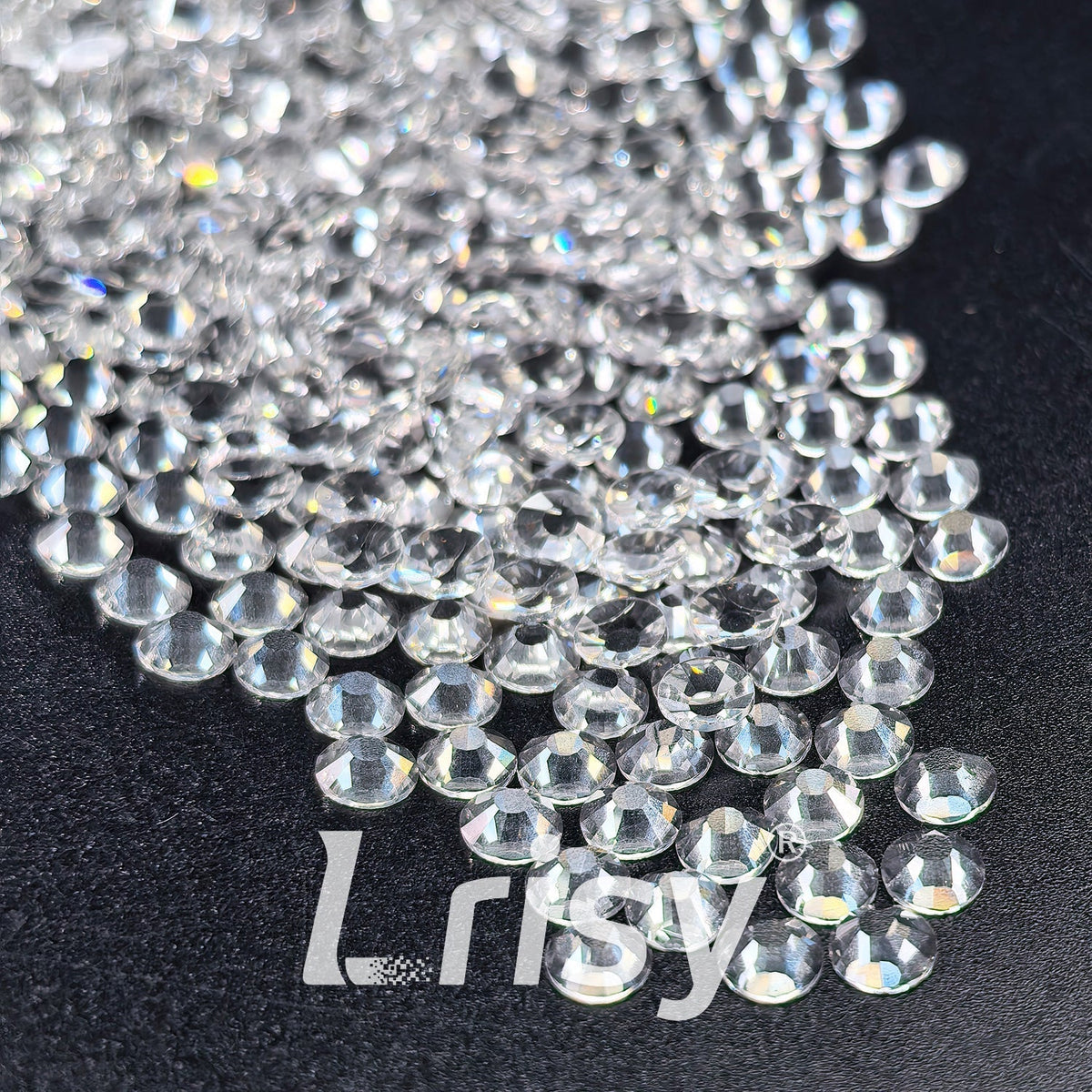
QUICK ANSWER: How to Remove Rhinestones Without Ruining Your Garment
Match the removal method to your rhinestone type:
- Hotfix stones: Apply low heat (iron + pressing cloth, max 275°F/135°C) to soften the glue, then lift with dental floss.
- Glued stones: Dissolve E6000 with acetone; soften Gem-Tac with steam or rubbing alcohol.
- Sewn-on stones: Use a seam ripper from the back side — no chemicals needed.
- For replacement: Match the SS size precisely, use E6000 for most fabrics, and allow 24–72 hours full cure time.
Scroll down for complete step-by-step instructions, size charts, and troubleshooting for every fabric type.
How to Remove & Replace Rhinestones: Complete Step-by-Step Guide
The rhinestone on your daughter's competition leotard caught the stage lights for two full seasons before it wobbled loose and dropped into the dressing room carpet, never to be seen again. You found an identical replacement — same SS size, same AB finish — but now you're staring at the old glue residue on the spandex, wondering whether prying it off with a fingernail will tear the fabric or just make things worse.
Removing rhinestones from fabric without damaging the garment or leaving adhesive residue comes down to one thing: matching the right removal method to the rhinestone type. Hotfix stones, glued crystals, and sewn-on gems each require a completely different tool and technique. Use the wrong method and you risk stretching the fabric, discoloring the surface, or shattering the stone mid-removal. (Learn more about rhinestone history and composition on Wikipedia.)
This guide covers every method for how to remove rhinestones from fabric safely — hotfix, glued, and sewn-on. You will also learn how to replace rhinestones with lasting results, how to fix loose stones before they fall off entirely, and which adhesives and tools to keep in your repair kit for next time.
Word count reference: This is a comprehensive guide. Use the table of contents below to jump to your specific situation.
The Story Behind This Guide: Why Proper Rhinestone Removal Matters
Maria Chen had spent over $600 on her daughter's competition cheerleading uniform. It was covered in silver hotfix rhinestones that caught the judges' attention at every competition. After one season, nearly a third of the stones had dulled or partially detached. A local dry cleaner quoted $150 to remove and replace them — nearly the cost of a new uniform.
Maria tried scraping one stone off with a butter knife and tore a visible thread in the spandex. She stopped immediately, researched proper methods online, and used a low-temperature iron and dental floss to lift each remaining stone in under an hour. The uniform looked brand new, and the replacement stones held through two more seasons. Maria now runs a small side business doing rhinestone repairs for her daughter's entire squad — proof that the right technique pays for itself.
Mini-Story 2: The Vintage Denim Jacket Rescue. James Park found a vintage 1990s denim jacket at a thrift store for $12. It was covered with large glued rhinestones arranged in a tiger pattern, but half the stones were missing and the remaining ones had yellowed adhesive showing around the edges. James wanted to restore the jacket as a gift for his sister, a vintage fashion collector. He spent an evening using acetone-soaked cotton swabs, carefully dissolving the old glue one stone at a time. Removing all 80 stones took two hours. The denim underneath was pristine — the thick cotton had resisted the acetone completely. James replaced the yellowed stones with fresh Swarovski crystals using E6000, and his sister now wears the jacket to vintage fashion fairs, where she has received three offers from strangers who wanted to buy it off her back.
Stories like these are why this guide exists. Whether you are repairing a dance costume, restoring a thrift-store find, or refreshing a bridal veil, the difference between a successful restoration and a ruined garment is knowing exactly which method to use and when.
Why Rhinestones Fall Off (And Why Bad Removal Ruins Garments)
Rhinestones detach for three main reasons: adhesive fatigue, mechanical stress, and improper initial application. Understanding the cause helps you choose the right removal approach and prevents the same problem from recurring after replacement.
Adhesive Fatigue
Over time, the glue backing on hotfix stones loses its bond through repeated washing, heat exposure, and fabric flexing. According to testing by adhesive manufacturers, most rhinestone glues begin to degrade after 20–30 wash cycles in standard home laundering conditions. E6000, the industry-standard jewelry adhesive, maintains flexibility longer than most, but even it eventually succumbs to detergent chemicals and dryer heat. The Good Housekeeping Institute recommends washing embellished garments inside out on a gentle cycle to extend adhesive life.
Mechanical Stress
Garments that experience frequent stretching, twisting, or impact — dance costumes, cheerleading uniforms, swimwear — put constant strain on the rhinestone bond. The Discount Dancewear care guide notes that rhinestone-adorned costumes require special handling to maintain structural integrity over multiple seasons. The flex point between the rigid stone and the flexible fabric is the weakest link. Every bend and stretch micro-cracks the adhesive until the stone finally separates.
Why Bad Removal Makes Everything Worse
Using the wrong removal technique creates problems that linger long after the stone is gone:
- Prying hotfix stones stretches fabric fibers permanently, especially on knits, spandex, and mesh, leaving a saggy, misshapen area where the new stone will sit unevenly.
- Scraping with metal tools cuts or abrades fabric threads, creating visible damage that even a new stone cannot fully cover.
- Wrong solvents — acetone on acetate fabric, for example — can dissolve the fabric itself, not just the glue. Acetone also strips many fabric dyes, leaving a bleached ring around the removal site.
- Excessive heat melts synthetic fabrics (polyester, nylon, spandex) faster than it softens the glue. A too-hot iron can fuse the stone permanently into a molten fabric crater.
The golden rule: test every removal method on an inside seam or hidden area first. Spend 60 seconds on a test and save hours of repair on a mistake.
Step 1: Identify Your Rhinestone Attachment Type
Before you learn how to fix loose rhinestones, you need to identify how the existing stones are attached. Rhinestones fall into three broad categories, each with a different removal and replacement method.
| Characteristic | Hotfix | Glued (Flat-Back) | Sewn-On |
|---|---|---|---|
| Backing type | Heat-activated glue coating | Flat back, no pre-applied adhesive | Pre-drilled holes (usually 2 or 4) |
| Common on | Dance costumes, cheerleading uniforms, mass-market jewelry | High-end custom garments, swimwear, leather accessories, denim | Bridal wear, high-end fashion, denim jackets |
| Adhesive involved | Heat-activated glue (pre-applied) | E6000, Gem-Tac, or similar jewelry glue (applied manually) | None — thread only |
| Best removal method | Heat + dental floss lift | Chemical softening (acetone, alcohol, or freeze) | Seam ripper |
| Residue after removal | Light glue residue (alcohol removes it) | Moderate to heavy residue (requires solvent cleanup) | Minimal — small needle holes only |
| Reusability of stone | Not reusable (glue degrades) | Potentially reusable if cleaned thoroughly | Reusable if undamaged |
| Difficulty level | Low–Medium | Medium–High | Low |
If you are unsure which type you have, look at the back of the fabric. Sewn-on stones show visible thread loops on the reverse side. Hotfix stones have a smooth, slightly glossy glue coating on the back of the stone. Flat-back glued stones have a matte back with no glue pre-applied — the adhesive is on the fabric surface instead.
Need help identifying a specific stone? Browse our hotfix rhinestones collection and flat-back rhinestones collection for comparison photos showing the backing of each type.
Method 1: How to Remove Hotfix Rhinestones Step by Step
Why Heat Works for Hotfix
Hotfix rhinestones use a thermoplastic adhesive that softens when heated and hardens when cool. The same heat that bonded the stone to the fabric originally can release it — but only if applied at the correct temperature. Too little heat and the glue stays rigid; too much heat and you risk melting the stone's plastic backing or the fabric itself. The sweet spot is 250–275°F (120–135°C), which is the low setting on most household irons.
What You Will Need
- Household iron with temperature control (no steam)
- Thin pressing cloth (cotton pillowcase or muslin)
- Unflavored dental floss (waxed works best)
- Rubbing alcohol (70% or higher)
- Cotton swabs
- Optional: Goo Gone for stubborn residue
Step 1: Apply Low, Even Heat
Set your iron to the low/synthetic setting with no steam. The exact temperature should be below 275°F (135°C). Place a thin pressing cloth over the rhinestone area — a cotton pillowcase works perfectly. Iron over the cloth for 10–15 seconds with moderate pressure.
The goal is to soften the glue without melting the fabric or the stone's foil backing. Do not touch the iron directly to the rhinestones. Direct contact can melt the plastic backing or scorch synthetic fabrics like polyester and spandex.
Fabric-specific heat guidelines:
| Fabric Type | Max Safe Temperature | Iron Setting | Heating Time | Notes |
|---|---|---|---|---|
| Cotton / Denim | 300°F (150°C) | Medium (cotton) | 15 seconds | Very tolerant; lowest risk |
| Polyester / Nylon | 275°F (135°C) | Low (synthetic) | 10 seconds | Test first; melt risk if too hot |
| Spandex / Lycra | 250°F (120°C) | Low (silk) | 8–10 seconds | High melt risk; use pressing cloth |
| Silk / Chiffon | 250°F (120°C) | Low (silk) | 8 seconds | Use doubled pressing cloth |
| Velvet / Velour | 265°F (130°C) | Low (wool) | 10 seconds | Iron on reverse side if possible |
| Leather / Faux Leather | 250°F (120°C) | Low (silk) | 8 seconds | Freeze method preferred over heat |
Step 2: Lift with Dental Floss
Slide a piece of unflavored, waxed dental floss under the edge of the warm stone. Gently work it back and forth in a sawing motion to separate the softened adhesive from the fabric. The stone should pop free with minimal resistance.
If the stone does not release easily, apply heat for another 5–10 seconds. Never pry or twist the stone off. Twisting motion can stretch the fabric permanently, especially on knits or stretch materials. If you feel resistance, the glue is not warm enough — apply more heat, not more force.
Step 3: Remove Residual Adhesive
Lightly dab the remaining glue spot with a cotton swab dipped in rubbing alcohol. The alcohol dissolves the thermoplastic residue without damaging most fabrics. For stubborn residue on natural fibers like cotton or denim, a drop of Goo Gone followed by a gentle blot with a clean cloth works well. Let the area air dry completely before applying a new stone.
Pro tip: For how to remove hotfix rhinestones from synthetic fabrics like nylon or spandex, keep the iron temperature below 275°F (135°C) and limit each heat application to 10 seconds. Let the fabric cool between attempts to prevent heat buildup.
Method 2: How to Remove Glued Rhinestones
Why Different Glues Need Different Solvents
Not all rhinestone adhesives are created equal. E6000 is a solvent-based epoxy that remains flexible after curing — it resists heat but dissolves in acetone. Gem-Tac is a water-based fabric glue that responds to steam and moisture. Industrial adhesives used in mass-produced garments may require freezing to become brittle. Using the wrong solvent on the wrong glue wastes time and can damage the fabric. Identifying the adhesive type is the first step.
| Adhesive | Base Type | Best Removal Method | Fabric Compatibility | Cure Time |
|---|---|---|---|---|
| E6000 | Solvent-based epoxy | Acetone soak (30–60 sec) | Cotton, denim, leather, polyester | 24–72 hours |
| Gem-Tac | Water-based fabric glue | Steam + heat (20–30 sec) | Cotton, polyester, silk, nylon | 24–48 hours |
| G-S Hypo Cement | Solvent-based (non-toxic) | Acetone or freeze method | Most fabrics, metal, glass | 24 hours |
| Industrial epoxy | Two-part epoxy | Freeze method (2 hours at 0°F) | Leather, vinyl, hard surfaces | 12–24 hours |
| Super glue (cyanoacrylate) | Cyanoacrylate | Acetone or freeze + gentle tap | Limited — avoid on fabric | Seconds to minutes |
For E6000 or Industrial Adhesive
E6000 remains flexible when cured, which makes it harder to remove than rigid glues. The active ingredient is acetone — standard nail polish remover containing acetone works perfectly.
- Apply acetone to the edges of the stone using a precision applicator or cotton swab. Let it soak for 30–60 seconds. The acetone seeps under the stone through capillary action and breaks down the adhesive bond.
- Gently rock the stone with tweezers. If it does not move, apply more acetone and wait another 30 seconds.
- Once the stone lifts, scrape away softened adhesive with a plastic spudger or the back of a plastic spoon. Metal tools can cut fabric fibers.
- Wipe the area with a lint-free cloth dampened with rubbing alcohol to remove all residue.
Safety warning: Wear nitrile gloves during this process. According to the CDC's NIOSH Pocket Guide to Chemical Hazards, acetone is a skin irritant and is readily absorbed through the dermis. Acetone can also strip color from certain fabrics. Test the acetone on a hidden seam or hem before applying it to a visible area. Acetone dissolves acetate and triacetate fabrics completely — do not use it on those materials.
For how to remove rhinestones from denim, the acetone method is ideal because denim's thick cotton weave resists chemical damage. Apply acetone to a cotton swab, press it against the edges of each glued stone, wait 30 seconds, and lift. The denim underneath will be unaffected.
For Gem-Tac or Fabric Glue
Gem-Tac and similar water-based fabric adhesives respond better to heat and moisture than to acetone.
- Hold a steam iron 1–2 inches above the stones for 20–30 seconds. The steam penetrates the glue and softens it without spreading the adhesive across the fabric.
- Gently twist the stone with tweezers once the glue warms up. If the stone does not budge, apply a small amount of rubbing alcohol around the base and wait 60 seconds before trying again.
- Clean residue with rubbing alcohol on a lint-free cloth.
The Freeze Method (For Stubborn Industrial Glues)
Some industrial adhesives and older glues resist both acetone and heat. In that case:
- Place the garment in a sealed plastic bag, removing as much air as possible.
- Freeze for two hours at standard freezer temperature (0°F / -18°C).
- Remove from the freezer and immediately flex the fabric in the opposite direction of the stone. The cold makes the adhesive brittle, and the stones should pop off.
- For stones that do not release, gently tap the back of the fabric with a spoon handle.
The freeze method works particularly well on leather, vinyl, and garments with heavy industrial epoxy. It is also the safest method for swimwear, as it preserves the elasticity of nylon and spandex.
Method 3: How to Remove Sewn-On Rhinestones
Why Sewn-On Is the Easiest Removal
Sewn-on rhinestones involve no adhesive — just thread and pre-drilled holes. Removal is purely mechanical and carries the lowest risk of fabric damage. The trade-off is that you are left with small needle holes where each stone was stitched. These usually close up after washing, but on delicate fabrics, the holes may remain visible.
What You Will Need
- Seam ripper (any sewing supply store)
- Tweezers for pulling thread fragments
- Good lighting and a magnifying lamp for detailed work
Step-by-Step
- Turn the garment inside out so you can see the thread loops on the back of the fabric.
- Slide the seam ripper under the thread loop connecting the stone to the fabric. Cut upward — the sharp tip of the seam ripper is designed to sever threads without cutting the fabric.
- Pull the thread free with tweezers. Remove all thread fragments. Small pieces left behind can cause skin irritation, especially on garments worn without a lining.
- Repeat for each stitch holding the stone in place. Most sewn-on rhinestones use two parallel stitches or a cross-stitch pattern.
After removal, you will see small holes where the needle passed through. These holes usually close up after washing and drying according to the garment's care label. For delicate fabrics like silk or chiffon, consider iron-on interfacing on the reverse side before sewing new stones in place — this reinforces the area and prevents the new stitches from pulling through the fabric.
If you plan to replace sewn-on stones, browse our sew-on rhinestones collection for pre-drilled stones with matching hole patterns.
How to Choose the Right Replacement Rhinestones
Once the old stones are removed and the area is clean, you need replacement stones that match the originals in size, cut, color, and backing type. Here is how to get it right.
Understanding Rhinestone Sizes: SS and PP
Rhinestone sizes are measured in SS (stone size) or PP (pearl plate) units. SS is the most common system for crystals and glass rhinestones. PP is used primarily for acrylic and plastic stones. The two scales overlap but are not identical — a PP10 stone is not the same diameter as an SS10 stone.
| SS Size | Diameter (mm) | PP Size (Approx.) | Common Use |
|---|---|---|---|
| SS5 | 1.5 mm | PP5 | Nail art, micro-details |
| SS6 | 1.8 mm | PP6 | Watches, tiny accents |
| SS8 | 2.2 mm | PP8 | Miniature accents |
| SS10 | 2.8 mm | PP10 | Standard small accent |
| SS12 | 3.2 mm | PP12 | Dance costumes, general use |
| SS16 | 3.8 mm | PP16 | Most common size |
| SS20 | 4.6 mm | PP20 | Bridal, statement pieces |
| SS30 | 6.4 mm | PP30 | Large, focal stones |
| SS34 | 7.0 mm | PP34 | Belt buckles, big accents |
| SS40 | 8.2 mm | PP40 | Centerpiece designs |
Use a caliper to measure the diameter of an original stone in millimeters, then match it to the SS column in the chart above. If you do not have calipers, place the stone on a ruler with millimeter markings. Our rhinestone tools collection includes measuring templates for quick size identification.
Matching Cut, Color, and Finish
- Cut: The standard rhinestone cut is a round brilliant with 12–16 facets on the crown. Some stones use a navette (marquise), heart, or teardrop cut. Match the cut precisely so the replacement reflects light identically.
- Color: Rhinestone colors are identified by trade names (Crystal, Crystal AB, Light Sapphire, etc.) rather than standard color codes. If the original stones are Swarovski or Preciosa, use the manufacturer's color chart. For generic stones, match by visual comparison under natural daylight.
- Finish: AB (Aurora Borealis) has an iridescent coating; plain crystal is clear; foil-backed has a metallic reflective layer. Our colors AB collection covers a wide range of finishes.
How to Replace Rhinestones by Attachment Type
Replacing with E6000 (Glued Method)
E6000 is the industry-standard adhesive for rhinestone replacement on fabric, leather, and hard surfaces. It remains flexible after curing, which is critical for garments that stretch and move. The E6000 technical data sheet reports 1,800 PSI tensile strength and waterproof bonding once fully cured.
- Apply a pinhead-sized drop of E6000 to the cleaned spot. You need very little — excess glue will squeeze out around the edges of the stone and create a mess.
- Press the new rhinestone into place using tweezers for precision. This is especially important for small stones (SS10 and below) where finger placement is clumsy.
- Wipe away any excess adhesive immediately with a toothpick or cotton swab. E6000 is difficult to remove after it dries.
- Keep the garment flat for 24–72 hours to allow full curing. E6000 reaches handling strength in 2–4 hours but achieves maximum bond strength after 72 hours.
Important: E6000 emits strong fumes. Work in a well-ventilated area and avoid skin contact. For children's clothing or projects requiring non-toxic adhesive, use Gem-Tac instead — it is non-toxic and machine-wash-safe once fully cured.
Shop our flat-back rhinestones collection for stones designed for gluing — they have a smooth, flat back surface that maximizes adhesive contact.
Replacing with Hotfix Stones
Hotfix stones are faster to apply because the glue is already on the stone. You just need heat to activate it.
- Position the new hotfix stone on the cleaned area using an applicator wand or tweezers. Make sure it is perfectly aligned with the original placement pattern.
- Cover with a pressing cloth and apply medium heat with your iron for 10–15 seconds. Hold firm, even pressure — do not slide the iron, as this can shift the stone out of position.
- Let the stone cool undisturbed for 60 seconds before moving the garment. Moving it too soon can break the still-warm bond.
For precision work, a hotfix applicator tool with interchangeable tips costs around $25 and gives much better control than a household iron. Resources like Fire Mountain Gems offer comprehensive guides on rhinestone setting tools for jewelry makers and garment crafters. These tools have curved tips that fit standard and small stones, allowing you to apply heat exactly where needed without affecting adjacent stones.
Browse our hotfix rhinestones collection for pre-glued stones in every standard SS size and color.
Replacing Sewn-On Stones
- Thread a needle with polyester thread that matches the garment color. Polyester thread resists UV fading and detergent degradation better than cotton.
- Sew through the stone's pre-drilled holes from the back of the fabric. This keeps the thread knot hidden and ensures the stone sits flush against the fabric surface.
- Use a simple cross-stitch or two parallel stitches — either is secure as long as the thread is anchored on the reverse side.
- Knot securely on the underside and trim excess thread to less than 1/4 inch.
Our sew-on rhinestones collection includes stones with standard 2-hole and 4-hole patterns to match most original placements.
How to Fix Loose Rhinestones Before They Fall Off
A loose rhinestone wobbles but has not detached yet. Catching it at this stage saves you from searching for a replacement stone that matches the original exactly — a task that can require hours of comparing sizes, colors, and cuts online.
The Quick Fix Method
- Apply a tiny dab of jeweler's glue (G-S Hypo Cement or Gem-Tac) under the loose edge using a toothpick. You need only enough to cover the area that has detached — over-application creates a messy squeeze-out.
- Press the stone flat and hold pressure for 30 seconds. Wipe away any excess glue immediately with a toothpick or the corner of a paper towel.
- Let the garment lie flat for 24 hours while the glue cures fully.
What NOT to Use
Do not use super glue (cyanoacrylate). Super glue dries rigid and brittle, cracks under fabric movement, and leaves a white residue known as blooming if it gets on the fabric surface. Blooming is nearly impossible to remove from dark or colored fabrics. Super glue also bonds skin instantly — one slip and you are gluing your fingers to the rhinestone.
Preventing Future Loss
Once all loose stones are fixed, take these preventive steps:
- Apply a rhinestone sealant spray after replacing or fixing stones. These sprays create a clear protective barrier that keeps stones in place through washing and wear. Two popular options are Stone Coat and Diamond Seal, both available at craft supply stores.
- Store rhinestone garments flat in a drawer or rolled in acid-free tissue paper. Hanging such garments by the shoulders stretches the fabric and loosens the adhesive bond over time — gravity is constantly pulling against every stone's attachment point.
- Wash inside out in cold water on the gentle cycle. Place rhinestone garments in a mesh laundry bag to prevent stones snagging on other clothing. Never use fabric softener, which can weaken adhesive bonds.
- Air dry only. Dryer heat degrades rhinestone adhesives. Lay the garment flat on a drying rack away from direct sunlight. The Martha Stewart hand-washing guide provides detailed care instructions for delicate embellished items.
Need supplies for repairs? Check out our rhinestone tools and accessories collection for applicator wands, tweezers, storage cases, and measuring templates.
Troubleshooting Common Rhinestone Removal Problems
The Stone Shattered During Removal
Cracked or shattered rhinestones happen when old stones have developed internal stress fractures from wear, or when too much pressure is applied during removal. Handle broken stones carefully:
- Cover the area with a piece of clear packing tape. Press down firmly so all fragments adhere to the tape.
- Lift the tape. The sharp fragments come away with it, reducing the risk of cuts.
- Vacuum the area and check for loose shards on the floor before continuing. Tiny glass fragments can embed in carpet and cause injuries for weeks.
The Adhesive Won't Soften
If acetone and heat both fail, the adhesive may be an industrial two-part epoxy or an older glue that has fully cured. In this case, use the freeze method described in Method 2. Freezing for two hours makes most adhesives brittle enough that a gentle tap on the back of the fabric dislodges the stone. For leather garments, freezing is the preferred approach — it avoids the risk of heat damage or chemical discoloration.
The Fabric Discolored Under the Stone
Discoloration under a removed rhinestone usually means the original adhesive contained sulfur compounds (common in cheaper glues) or the stone's foil backing reacted with the fabric over years of contact. Addressing this before replacement:
- White or light fabrics: Try a color-safe bleach pen applied to the discolored area, or dilute hydrogen peroxide on a cotton swab (test on a hidden area first).
- Dark fabrics: A fabric marker matching the garment color can cover the discoloration before you apply the new stone. The new stone will cover most of the area anyway, but the marker prevents the stain from showing at the edges.
- Prevention: Use high-quality rhinestones with nickel-free foil backings and acid-free adhesives to prevent future discoloration. Our pointed-back rhinestones collection features high-quality foil backings designed for long-term wear without chemical migration.
The Fabric Is Too Delicate for Any Method
Some fabrics — organza, antique lace, fine mesh — are too delicate for heat, chemicals, or mechanical removal. In these cases, consider leaving the stones in place and working around them if they are not visible. If removal is absolutely necessary, consult a professional garment restoration specialist. The cost of professional removal ($50–$100 per hour) is often less than the cost of replacing a ruined heirloom garment.
I Cannot Find Matching Replacement Stones
If you cannot find an exact match for the original stones, consider replacing all the stones in the affected section rather than trying to match one-by-one. A partial replacement with mismatched stones is more noticeable than replacing a symmetric cluster with a consistent design. For unusual colors, AB finishes, or specialty cuts, contact our customer service at LRISY with your stone dimensions and a photo — we carry a wide range of styles in our wholesale bulk rhinestones collection and may have exactly what you need.
Rhinestone Removal and Replacement Method Comparison
Use this quick-reference table to choose the right approach for your specific combination of rhinestone type and fabric.
| Stone Type | Fabric Type | Best Removal Method | Best Replacement Method | Difficulty | Time per 100 Stones |
|---|---|---|---|---|---|
| Hotfix | Cotton / Polyester | Heat + dental floss | New hotfix stones + iron | Low | 45 min removal + 30 min replacement |
| Hotfix | Spandex / Nylon | Low heat (250°F max) + dental floss | Hotfix stones + gentle press | Medium | 60 min + 40 min |
| Glued (E6000) | Denim / Cotton | Acetone soak + plastic spudger | E6000 or Gem-Tac | Medium | 90 min + 90 min (plus cure time) |
| Glued (E6000) | Leather / Vinyl | Freeze method (2 hours) | E6000 | Medium | 120 min + 90 min |
| Glued (Gem-Tac) | Silk / Chiffon | Steam + gentle twist | Gem-Tac | High | 120 min + 120 min |
| Sewn-On | Any (with lining) | Seam ripper from back | Polyester thread + cross-stitch | Low | 30 min + 45 min |
| Sewn-On | Delicate (lace, organza) | Seam ripper (with extreme care) | Sew with fine needle + interfacing | High | 90 min + 90 min |
Frequently Asked Questions
Can you remove hotfix rhinestones and reuse them?
Generally no. The heat-activated glue on hotfix stones degrades during removal and will not hold a second time. The one exception is cabochon-style stones with flat metal backs — these can sometimes be cleaned of old adhesive and reglued with E6000 for reuse on non-fabric surfaces. For fabric applications, always use fresh hotfix stones for replacement.
How do you remove rhinestones from a swimsuit?
Turn the swimsuit inside out and use the freeze method for glued stones. Nylon and spandex react poorly to acetone and high heat, so freezing preserves the fabric's elasticity. Place the swimsuit in a freezer bag, freeze for 90 minutes, and gently flex the fabric to pop the stones loose. For hotfix stones on swimwear, use the lowest heat setting (250°F max) with a pressing cloth and limit heat exposure to 8 seconds per stone.
What is the difference between hotfix and non-hotfix rhinestones?
Hotfix rhinestones have a pre-applied heat-activated glue backing that bonds when heated with an iron or heat press. Non-hotfix (flat-back) stones have no glue and require a separate adhesive like E6000 or Gem-Tac. Hotfix is faster for large projects — you can apply dozens of stones in minutes with a heat press — but offers less adhesion on curved or high-movement areas. Non-hotfix stones glued individually hold better on spots that flex and bend because you can control the amount and placement of adhesive.
How do you reattach rhinestones to fabric without glue?
Sew them on if the stones have pre-drilled holes, or use a prong setting with a rhinestone setting tool. Adhesive-free methods are best for heirloom pieces or fabrics that cannot tolerate moisture or heat. Metal claw settings and rivet-style backings are available from jewelry supply stores and provide a mechanical hold that never degrades the way adhesives do. Be aware that prong settings add bulk to the back of the fabric, which may be uncomfortable against the skin.
Does removing rhinestones damage fabric?
It can if you use the wrong method. Prying or scraping hotfix stones can stretch fabric permanently. Acetone can discolor or dissolve acetate, triacetate, and some rayon fabrics. The safest approach is to test your removal method on an inside seam before working on visible areas. Most natural fibers (cotton, linen, denim, wool) handle removal very well. Delicate synthetics require more care — use the gentlest method that is effective and work slowly.
How long does it take to remove and replace rhinestones on a full garment?
Count on 1–2 hours per 100 stones for removal alone, depending on the method. Replacement takes about the same time for glued stones (plus 24–72 hours of flat curing) and about 30 minutes per 100 for hotfix stones. A full dance costume with 500 stones is realistically a weekend project — approximately 10–15 hours total for removal, replacement, and curing. The result, however, lasts for years of regular use when done correctly.
Can you use super glue for rhinestones?
No. Super glue (cyanoacrylate) dries rigid and brittle, cracks under fabric movement, and leaves a white residue known as blooming if it contacts the fabric surface. It also bonds skin almost instantly. Use E6000, Gem-Tac, or G-S Hypo Cement instead — these remain flexible after curing and are designed specifically for jewelry and fabric adhesion.
What is the best adhesive for replacing rhinestones on fabric?
E6000 is the industry standard for most applications. It remains flexible after curing, bonds strongly to fabric, leather, and hard surfaces, and is waterproof once fully cured. For children's clothing or projects requiring non-toxic adhesive, use Gem-Tac. For hotfix replacement, use fresh hotfix stones — the quality of the pre-applied glue on new stones far exceeds any attempt to re-glue old stones. All of these adhesives are available at craft supply stores and through our rhinestone tools page.
How do you clean adhesive residue after removing rhinestones?
For hotfix residue: rubbing alcohol on a cotton swab. For E6000 residue: acetone (on cotton/denim only) followed by rubbing alcohol wipe. For Gem-Tac residue: warm water with mild soap. For industrial epoxy residue: isopropyl alcohol (91% or higher) with gentle scraping using a plastic spudger. Always test the cleaning method on a hidden area first, and let the fabric dry completely before applying new stones.
Can you remove rhinestones from shoes?
Yes. For rhinestones glued onto shoe surfaces (including our pointed-back rhinestones commonly used in footwear), use the acetone method for E6000 or the freeze method for industrial adhesives. Leather and synthetic shoe uppers are typically more chemical-resistant than fabric, but test in an inconspicuous area first. For rhinestones in prong settings, carefully pry the prongs open with tweezers instead of attacking the adhesive.
Reading Next
Continue building your rhinestone knowledge with these related guides:
- Hotfix vs. Non-Hotfix Rhinestones: Which Should You Choose? — Detailed comparison of attachment types for your next project.
- Rhinestone Size Guide: SS to MM Conversion Chart — Complete sizing reference with printable measurement templates.
- How to Apply Rhinestones to Fabric: A Complete Tutorial — Step-by-step application guide for hotfix, glue, and sew-on methods.
- Best Adhesive for Rhinestones: E6000 vs. Gem-Tac vs. Hotfix — Side-by-side adhesive comparison for different fabric types.
- How to Care for Rhinestone Garments: Washing, Storage, and Maintenance — Keep your stones sparkling season after season.
- Rhinestone Color and Finish Guide: Crystal, AB, Foil-Backed, and More — Understand color names, finish types, and how to match them perfectly.
Ready to Buy Wholesale Rhinestones?
LRISY offers factory-direct pricing on bulk rhinestones with fast international shipping. Whether you need hotfix, flat-back, pointed-back, sew-on, or colors AB stones, we have you covered with consistent quality and competitive wholesale pricing.
Shop now: Wholesale Bulk Rhinestones | Rhinestone Tools & Adhesives
Last updated: June 4, 2026. This guide is part of the LRISY Crafts Library. Have a question we did not cover? Contact our team for personalized advice on your rhinestone removal or replacement project.

Leave a comment
All comments are moderated before being published.
This site is protected by hCaptcha and the hCaptcha Privacy Policy and Terms of Service apply.